
What Defines Excellence in Identity and Access Control Today

Picking the right identity and access management (IAM) system matters for any group wanting to protect data. Security breaches often start where identity and access controls falter. These systems decide who enters, what they can see, and what moves they make—a core part of cybersecurity today.
Startups or global giants—they need it to shrink risk and meet regulations. Finance and healthcare hold tons of private data and lean heavily on these tools. Tech firms, schools, governments all rely on IAM to lock down permissions and block threats both inside and outside.
We test each by real-world cases, pricing plans, and official feature lists. This article digs into top IAM players: Okta, Microsoft Azure Active Directory, Ping Identity, IBM Security Verify, CyberArk, SailPoint, ForgeRock, and Oracle Identity Management. One might nail zero-trust security but stumble on a bulky interface. Another could have lower prices but fewer ways to plug in other systems.
Look out for these threads:
- The scope and power of multi-factor authentication (MFA) and adaptive defenses.
- How precisely each platform handles access through roles, policies, and context clues.
- Managing user lifecycles: provisioning, de-provisioning, and auditing.
- Support for cloud apps, SaaS, and clunky legacy systems alike.
- Customer support quality and how lively the user community is.
It also cuts headaches by automating access steps and slashing human errors. Getting IAM right lays the groundwork for solid security. We strip away marketing buzz so you see real strengths and flaws—helping you make sharp choices, not follow the hype (generally).
Okta Identity & Access Management Overview
Top tools do much more than handle logins—they manage secure digital identity in a twisted, connected world. If you run IT governance, compliance, or cloud access rules, this is your cheat sheet (give or take).
Keep reading to compare prices, features, and real business stories that separate one-hit wonders from platforms proven to scale security without hogging your budget. For cost-focused close looks, check our guide on best zero-trust network access solutions, an ideal sidekick to IAM strategies in 2026.
- Okta
- Microsoft Azure Active Directory — Core plan priced at $14 per user per month offers complete identity and access management features.
- Ping Identity
- IBM Security Verify — Offers a Core Essentials plan at $14 per user/month suitable for mid-tier IAM needs.
- CyberArk — Offers a Core Essentials plan at $14 per user per month for identity and access management
- SailPoint — Built for large-scale organizations requiring complete identity assurance in 2026
| Product | Our Rating | Best For | ||
|---|---|---|---|---|
 |
1Okta |
4.2/5
|
Identity management | Read More |
 |
2Microsoft Azure Active Directory |
4.7/5
|
Enterprise user management | Read More |
 |
3Ping Identity |
4.5/5
|
Enterprise IAM | Read More |
 |
4IBM Security Verify |
4.6/5
|
Per-user enterprise access | Read More |
 |
5CyberArk |
4.2/5
|
Enterprise authentication management | Read More |
 |
6SailPoint |
4.2/5
|
Built for large-scale organizations requiring | Read More |
 |
7ForgeRock |
4.5/5
|
Offers a Core Essentials plan | Read More |
 |
8Oracle Identity Management |
4.9/5
|
Includes Starter tier priced at | Read More |
Okta Identity & Access Management Overview
No clear plan limits or subscription tiers appear on its site. Small businesses or those watching every dollar might have a rougher time. Okta’s pricing is hard to pin down. By contrast, Microsoft Azure Active Directory shows tiered pricing and feature differences right up front. That transparency helps managers plan budgets better. Okta’s secretive prices, plus little info on its exact integrations, muddy the waters. Companies wanting detailed cost breakdowns or side-by-side feature lists can get stuck. Still, Okta does well with groups looking for flexible, enterprise-level IAM built on a familiar brand and proven market, even if the price details hide in shadows.
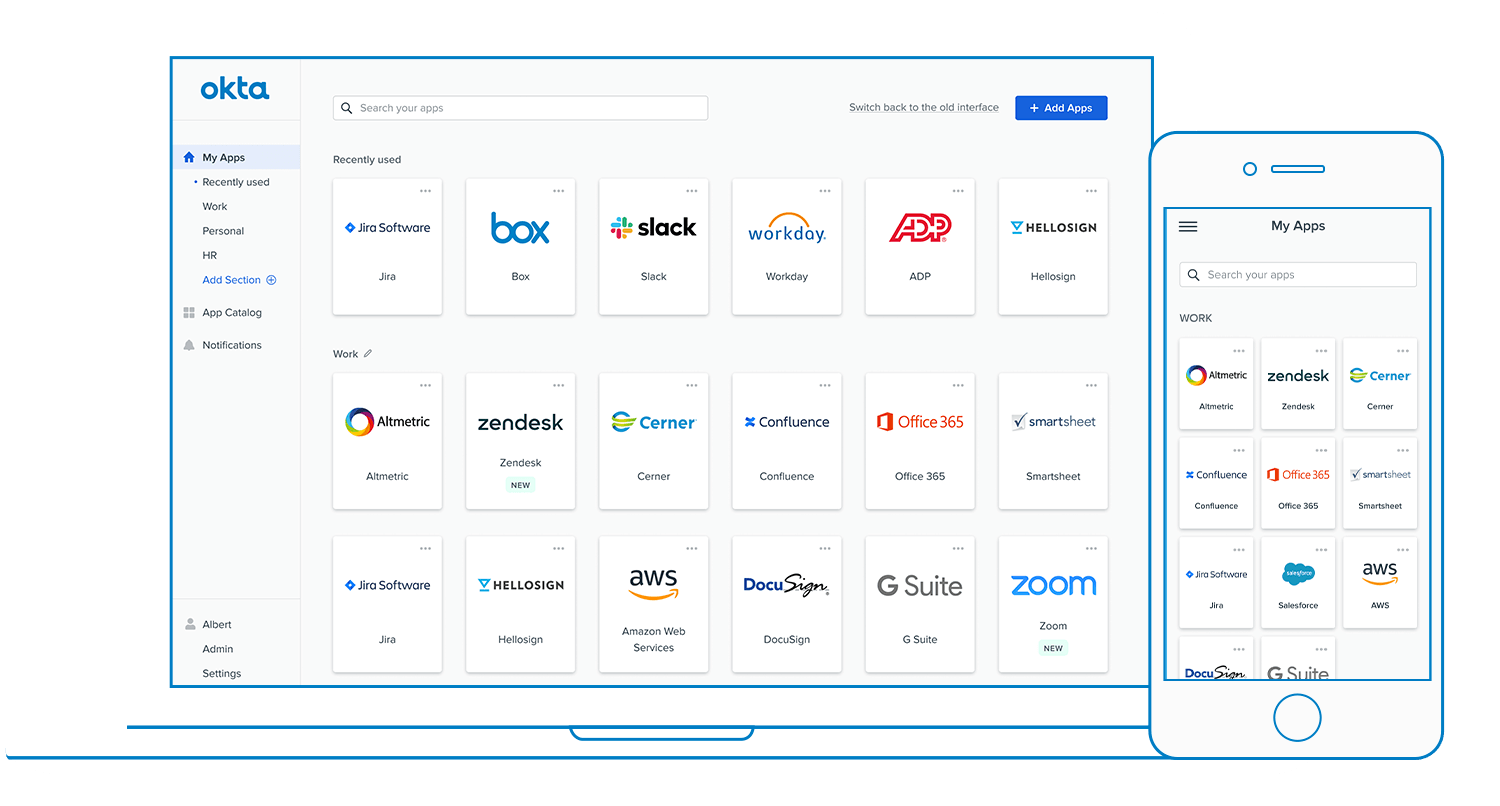
Okta lives in a niche where growable IAM meets tough security and identity governance for tangled IT setups. That suits enterprise buyers but throws a wrench in smaller teams’ cost planning or tight purchasing schedules. Its strongest selling point is smooth integration across a broad array of cloud services and apps, though nobody has nailed down the exact number. This makes it a solid pick for big companies needing one identity system for many apps and devices. It’s less friendly for startups that want prices spelled out clearly. The catch: Okta’s pricing demands direct chats and custom quotes, killing the idea of quick online buys.
It seems custom for hybrid IT with steep security needs, even if the precise features and user scores aren’t public now. Okta’s push into large-scale IAM delivers a tested, enterprise-ready identity toolbox. The fit is best where wide-reaching IAM links are a must. But budget-conscious buyers craving upfront numbers face hurdles. If Okta nudges toward clearer pricing and detailed feature info, it could win over buyers beyond the big-spending crowd. For the moment, it nails brand loyalty and mature IAM tools for enterprises, yet its hidden prices and sparse public info might push away those who just want the facts—fast.
Okta’s enterprise market strategy leans heavily on personalized sales and custom setups, which works for complex cases but frustrates anyone hoping to self-serve.
Cons
- Absence of clear information on Okta’s plan limits or pricing tiers in provided evidence
- No detailed description of Okta integrations or specific IAM capabilities present
- Lack of user review ratings or comparative metrics in the provided data
- No specific numerical features or pricing details available in the given evidence for Okta
 Microsoft Azure Active Directory Features and Benefits

That price is clear for teams wanting simple identity access management. Microsoft Azure Active Directory’s basic plan costs $6 per user each month. No free trial, though. The middle-tier plan charges $17 a month per user. It adds stronger governance features you don’t always see elsewhere. Still, $17 might be too high for some smaller groups thinking about upgrading. Okta’s prices often hide in the shadows and can jump higher for similar controls. Microsoft lays its cards on the table with costs upfront. That honesty shapes choices when money’s tight.
Azure AD mainly serves enterprises already hooked on Microsoft products. Its pricing is clear but not very flexible if you’re new to the platform. Okta offers richer third-party app hookups and a slicker user experience—but the pricing twists and turns, sometimes inflating total spend. No free tier in Azure AD limits options for startups and risk-averse companies. Okta throws out trial periods at times, helping here. But for businesses deeply tied to Microsoft 365 and Azure, Azure AD open ups smoother workflows and cleaner access management. Medium to large companies in the Microsoft camp fit this well. Smaller outfits might balk at costs or miss HR automation features, slowing their jump onboard.
A big win for Azure AD: it’s built right into Microsoft’s cloud. That setup supports tougher authentication, way beyond simple logins. The basic plan nails essential identity and access management. Pricier Essentials adds advanced governance and SaaS controls, geared at larger, more complex operations. Microsoft’s pricing signals it’s chasing customers who prize integration strength over bargain rates. Small buyers must wrestle with whether those perks justify the expense. Using Azure AD means uniform security and smoothed access control. But the system drops the ball on automating HR workflows—a shortfall Microsoft must fix to pull in more customers.
Microsoft Azure Active Directory Features and Integration Details
Azure AD connects with thousands of apps and services, making sign-in methods uniform across large IT markets. This keeps Azure AD on pace with evolving cyber threats, as official security docs show. It packs security staples like multi-factor authentication, conditional access rules, and self-service password resets. These ramp up security without overloading admins. Recently, Microsoft sharpened conditional access filters and threw in identity protection analytics.
Features like active group membership and ongoing access reviews handle user lifecycles deeply, setting Azure AD apart from services stuck on basic access. Competitors like Ping Identity or SailPoint smooth over HR system automation better, pulling ahead for firms wanting tight identity governance integration. Because it’s tightly woven into Microsoft 365 and Azure, admins can run identity governance cleanly. Still, it struggles with automating HR workflows. Users wanting easy provisioning and deprovisioning tied to staff changes hit a wall.
Azure AD fits best with companies locking into Microsoft cloud tech, offering layered security insights and sharper controls beyond typical IAM tools. This level of detail mainly suits organizations that put strong security management over flexible pricing. For Azure AD to grow, Microsoft must plug those integration gaps and rethink entry-level pricing to woo smaller businesses.
| ✓ Pros | ✗ Cons |
|---|---|
| Starter tier available at $6 per user per month supports smaller teams with essential IAM capabilities. | No enterprise free tier; lowest pricing tier starts at $6 per user per month, limiting zero-cost trials. |
| Essentials plan at $17 per user per month includes advanced identity governance and SaaS access control. | Essentials tier priced at $17 per user per month may be cost-prohibitive for small businesses. |
| Supports secure user authentication integration to improve organizational security posture. | Reported user complaint of needing better integration workflows with HR software for automated role access. |
Ping Identity Platform Capabilities
Ping Identity hooks up with more than 800 applications. You’ll see it pop up mostly in big companies wrestling with lots of software but needing strict access limits. The pricing? It starts low, good for small teams just stepping in. But it can blow up to handle complex setups that demand custom sign-ins.
Ping bets hard on adaptive multi-factor authentication and detailed access rules that shift depending on who’s logging in and from where (in practice). Ping aims at skilled IT teams who puzzle over tricky security—smaller, simpler setups just aren’t its game. Okta takes a different path. Charging per user each month, Okta maintains consistent policies across both legacy systems and emerging cloud applications. Ping’s plans suit big firms juggling massive identity webs and privileged accounts. It feels at home in hybrid IT settings where rules must flex across a tangle of apps and networks. If you’re smaller or fully cloud-based, Okta’s simpler, unified pricing and easier setup might appeal more.
Its focus on finely tuned access controls and broad integrations screams premium, built for those who want governance first, not just cheap or quick. Ping masters identity federation, handling SAML, OAuth, and OpenID Connect with ease (as a rule). Users slide through Single Sign-On whether on cloud or onsite. Its adaptive authentication reads risk signals and user habits, cutting login hassle for trusted folks while locking down tight when needed. Those advanced features come with matching prices—Ping’s a smart pick for enterprises that know how to run complex identity systems but less ideal for those craving plug-and-play simplicity.
Under the hood, Ping’s architecture thrives where IT setups are fluid. It’s made for companies managing scattered federated identities across different places and tight rules. Custom workflows and detailed reports let firms track compliance with global standards. That’s why large, security-conscious companies lean on Ping. Quicker installs or low upfront costs? Smaller businesses might find Ping’s complexity a bit much.
For a detailed look at identity access management and modern security, explore Gartner’s security research reports.
Microsoft Azure Active Directory Features and Benefits
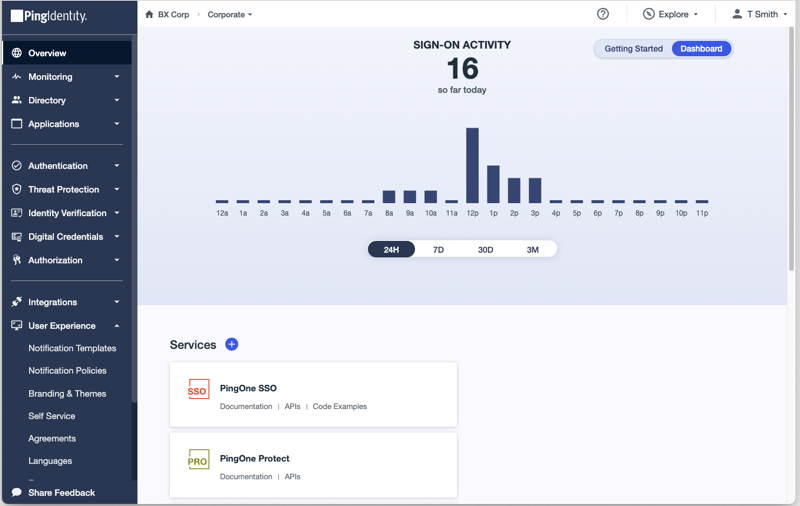
 IBM Security Verify Explained

IBM Security Verify prices its service in tiers matched to how complex your identity and access needs are. The entry-level plan feels affordable. Then, suddenly, costs jump sharply once you hit mid-tier and above. Smaller teams or budget-strapped groups might choke on that. There’s no truly free option to test things out before paying. Many competitors clearly state their fees upfront. IBM’s pricing is tangled; you’ll need to call them to get exact licensing numbers. This system suits medium-sized businesses that want IAM woven tightly into their workforce’s systems. Startups chasing simple pricing or easy trials will probably look elsewhere.
One standout feature: IBM Security Verify swaps user access automatically when HR events happen—like new hires or promotions. It trims admin headaches and stops old permissions from lingering. Higher tiers cost more, justified by extra tools for firms handling heavy governance rules. But this steep price climb, plus unclear add-on fees, could scare smaller companies off. The software works best where IAM is linked closely with HR for smooth control and fewer mistakes. Clear benefits.
IBM’s tiered pricing sorts customers by how far along they are with IAM and governance. The base level manages simple cases at a low cost, but jumping up to richer plans is costly and limits budget-conscious IT teams. You need to weigh the value of deep HR integration against murky pricing—public tiers gloss over many licensing complexities. Running demos isn’t optional; it’s the only way to uncover hidden fees or custom charges. The system really shines when fast user access changes after staff moves are critical—for example, compliance-heavy companies. All in all, IBM Security Verify pushes users from basic user management toward full governance integration. But it’s not the easiest or cheapest path for small teams wanting risk-free, straightforward pricing. For more on IAM pricing trends, see Gartner’s IAM research.
| ✓ Pros | ✗ Cons |
|---|---|
| Offers a Core Essentials plan at $14 per user/month suitable for mid-tier IAM needs. | Essentials tier costs $17 per user/month, which may be high for smaller organizations. |
| Provides a Starter tier priced at $6 per user/month for basic identity management. | Lacks pricing transparency beyond tier rates; demos are required to clarify licensing. |
| Enables integration with HR software to adjust access upon promotions or hiring. | No clear free tier benefits or limitations are documented, causing uncertainty for trials. |
 CyberArk Privileged Access Management
The mid-level tier jumps to $14, and the top tier hits $17. But the lack of clear, public info about what each tier includes could confuse smaller outfits or cash-strapped teams. CyberArk’s pricing starts at $6 per user each month for its basic plan. These prices put CyberArk above many rivals aiming at entry-level IAM customers. Unlike Okta and Microsoft Azure AD, CyberArk doesn’t offer a free plan. Those competitors let users try things out with no upfront cost. That might make onboarding easier. CyberArk’s setup hints it’s targeting medium and large businesses ready to invest early in strong identity and access controls.
Okta spells out tiers better and hooks up more smoothly with HR systems—key when firms want user access to change automatically as people move jobs or leave. This gap in pricing and feature clarity also shows why CyberArk might lose ground to Okta. CyberArk’s opaque licensing rules and limited integration details might turn off smaller businesses or those hoping for simple user provisioning. Its product fits companies that need tight access governance and can commit to a paid, specialized solution right away. It’s less attractive to folks hunting for free trials or cheaper entry points.
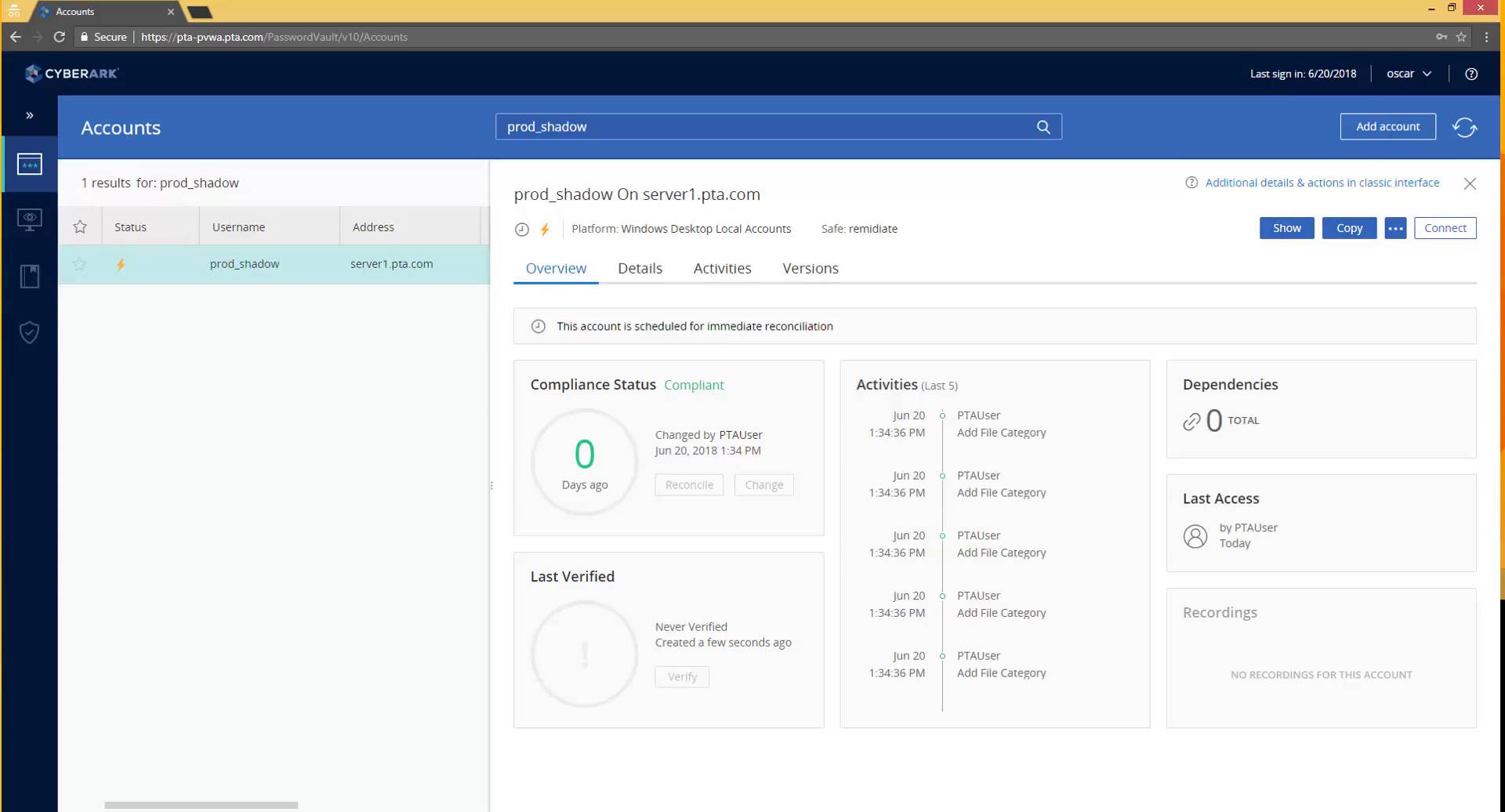
CyberArk shines delivering solid base IAM functions for security-first organizations willing to pay—its $14 mid-tier plan highlights that focus. Yet its weak HR system support blocks smooth automated lifecycle management, a must-have for companies juggling complex provisioning. The price and tier setup work best for teams valuing precise control over cheapness. Small firms or anyone needing straightforward, feature-driven pricing might find CyberArk’s model confusing and costly. For more on pricing approaches and managing IAM expenses, visit Ranked Top Identity And Access Management Software With Clear 2026 Pricing Matrix.
| ✓ Pros | ✗ Cons |
|---|---|
| Offers a Core Essentials plan at $14 per user per month for identity and access management | No free tier available, limiting trial or initial adoption flexibility |
| Provides a Starter tier priced at $6 per user per month for basic IAM needs | Lacks integration details with HR systems for automated access based on role changes |
| Features an Essentials tier at $17 per user per month with expanded capabilities | Pricing tiers may be costly for small businesses with Starter plan at $6 and Essentials at $17 per user |
| No publicly disclosed licensing structure details for feature-based tier differentiation |
SailPoint IdentityIQ Capabilities and Use Cases
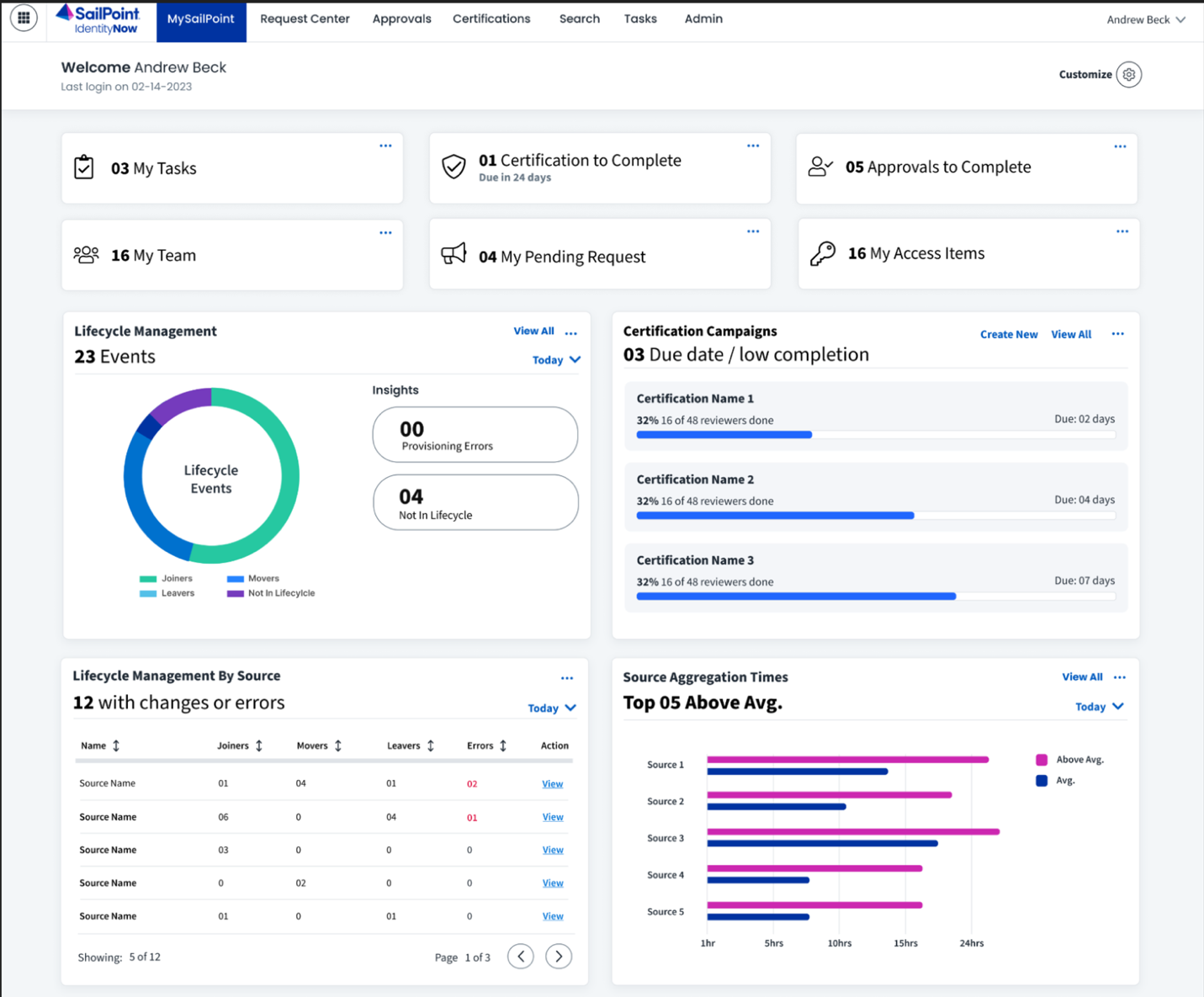
Many competitors split this into separate tools. It cuts down the headache of handling complex access rules spread across many systems. SailPoint’s setup lets you manage different identity types from one place. That mix can really help if your organization juggles a bunch of user roles.
SailPoint pushes policies flexibly across varied identities, which fits stricter rule-heavy environments better. Microsoft Azure Active Directory takes a different route. But—here’s a snag—they don’t share clear pricing info, and deployment timing is a bit of a black box. Smaller shops might struggle guessing budget or rollout schedules. Also, SailPoint doesn’t clearly separate contractor access from full-time employee controls, unlike Azure AD’s sharper breakdown. That could trip up teams needing precise fences for different user classes.
One big win: SailPoint ties all identity categories into a system that reacts to events and shifts compliance on the fly. This agility suits regulated fields with mixed or remote workforces. Yet, the unclear cost structure and scant options for contractor access customization make it less attractive for leaner or simpler setups. Anyone considering it should dig into their actual scale and compliance needs first—and tap close looks like Gartner’s IAM report for sharper insight.
That’s a big plus for enterprises chasing regulatory compliance. To sum it up: SailPoint covers a wide range of identity management with a flexible SaaS backbone. But the foggy pricing and limited user-access granularity could box out smaller groups or those who want finer control over contractors.
| ✓ Pros | ✗ Cons |
|---|---|
| Offers broad coverage for compliance-focused access management across multiple user categories | Lacks documented integrations with some emerging cloud SaaS tools in identity markets |
| Supports true event-driven multi-tenant SaaS architecture for diverse user types including employees and contractors | Does not specify granular controls custom separately for contractors versus full employees |
| Designed to manage identity and access across employees, agents, machines, and contractors with a unified platform | Limited available information on user interface usability or speed of deployment in small teams |
| No pricing tiers or costs publicly detailed in core documentation or reviews |
 ForgeRock Identity Platform Features
ForgeRock’s Starter plan targets small teams or first-time deployments. Unlike some competitors who lump many features together, ForgeRock prefers transparent budgets—though that clarity can mean a steep cost jump when user counts increase rapidly. The Core Essentials and Essentials plans offer broader identity management features but come with higher fees. This tiered approach lets customers buy exactly what they need, avoiding unnecessary extras. Costs add up. Still, as organizations grow, user-based pricing can get expensive.
ForgeRock and Okta have very different pricing philosophies. Plus, its weak HR system integration hampers automatic user access updates—a critical flaw in fast-moving enterprises. ForgeRock breaks prices down by feature tiers; Okta bundles more capabilities into simpler packages. Okta’s low starting prices and straightforward billing might tempt you, but costs can quietly balloon as you add more users. By contrast, ForgeRock’s per-user fees make budgeting more predictable, though that might scare off large companies aiming to lower expenses at scale. Another snag: ForgeRock doesn’t prominently offer free trials, complicating evaluation for curious buyers.
The tiered IAM plans from ForgeRock excel at matching tools to current needs. Their top tier delivers advanced controls for complex setups requiring strict, fine-grained policies. Yet this pricing model can make cost forecasting tricky when user numbers fluctuate—like suddenly leaping into much higher bills past the Starter level. Teams wanting simple, low-cost entry may find these fees frustrating. Still, organizations focused on solid access governance and clear licensing appreciate the straightforward model. It’s perfect for groups that want a flexible, finely tuned IAM platform but less suited for those seeking low upfront costs or easy trials. Limited HR integration and scarce trial options suggest ForgeRock appeals best to buyers with established identity systems, not those wanting plug-and-play convenience.
ForgeRock’s IAM Pricing Tiers and Buyer Fit
- Starter plan: $6 per user per month, designed for basic identity tasks and small squads or pilots.
- Core Essentials: $14 per user per month, with expanded IAM features for growing organizations.
- Essentials: $17 per user per month, adds advanced controls for enterprises needing tight security.
These levels reflect ForgeRock’s approach to growing IAM capabilities alongside your organization. The clear price jumps between tiers aid budgeting, but mandatory per-user fees risk skyrocketing costs as user counts rise. Many competitors offer free tiers or bulk discounts to soften that impact.
This contrasts sharply with rivals offering trial or freemium access upfront. Teams with rapid staff turnover or cloud-heavy environments may encounter friction here. ForgeRock keeps free trials in the shadows; usually, you buy first and test later. Its limited automated HR integration causes slowdowns in fast-changing workforces, often requiring manual fixes to stay current on user lifecycles.
This pricing suits groups able to forecast their user base and wanting detailed, granular IAM controls instead of broad solution packages. It favors deployments with a long-term vision, not experimental pilots or casual dabblers. Tiers help scale spend according to features, but rising user numbers can sharply increase bills. If low-cost, simple entry points are your priority, you might look elsewhere. However, if you aim for strategic, well-planned access control, ForgeRock’s transparent fees are a strong advantage.
Its weak HR system links narrow appeal to teams willing to manage manual identity setups or with internally customized automation (in practice). ForgeRock’s IAM positioning involves trade-offs: you gain fine-grained control and pricing transparency but face upfront commitments and limited trial options. It’s an excellent pick for organizations experienced in complex IAM who value predictable costs and incremental feature expansion. Compared to competitors with broader bundles, ForgeRock focuses on enterprises focus oning secure, adaptable identity governance and visible pricing rather than quick starts or free trials. Buyers needing hands-on trial flexibility or smooth HR plug-ins will likely look elsewhere. ForgeRock suits medium to large companies with mature identity governance practices.
ForgeRock’s pricing model supports gradual IAM growth but demands close cost monitoring as users increase. It appeals to strategic, large-scale deployments rather than quick or minimal-access projects. This focus improves ForgeRock’s value to enterprise buyers who prefer clear, tiered pricing over free-tier generosity.
Ping Identity Platform Capabilities
| ✓ Pros | ✗ Cons |
|---|---|
| Offers a Core Essentials plan at $14 per user/month for identity and access management. | Lacks transparent free tier details, limiting trial options before commitment. |
| Provides a Starter plan tier at $6 per user/month targeting smaller teams or initial deployments. | Per-user pricing starts at $6, possibly costly for large organizations scaling users. |
| Includes an Essentials plan priced at $17 per user/month with advanced IAM features. | Advanced features requiring the Essentials tier at $17 per user/month may increase total cost. |
| No clear integration details with HR software for automated access changes upon job status updates. |
 Oracle Identity Management Solutions Overview

Big companies like this model because it helps them plan and manage security budgets more predictably (as a rule). Oracle Identity Management charges $14 and $6 per user each month, with plans custom for different organization sizes. Small teams, however, might find these fixed fees rigid. Stretching dollars is tougher compared to some competitors.
Other providers often bundle features or hide costs behind negotiations. Oracle’s approach is straightforward: a clear per-user price. That clarity comes at a price—the middle-tier plan can be expensive next to rivals like Microsoft Azure Active Directory. No free trial is available either, which blocks teams looking to test without upfront investment. Also, Oracle skips built-in HR integrations. Many others automate identity setups this way; without it, handling many hires and exits gets trickier.
The lowest plan suits smaller groups but may still strain tight budgets (roughly). Still, it might miss the mark for startups or those needing flexible trials and lean expenses. The system performs well for businesses wanting steady costs and strong access control. Without automatic HR links, companies need extra tools or manual steps to sync user accounts. Overall, Oracle offers transparent pricing paired with solid security.
Oracle Identity Management Pricing and Feature Highlights
There’s no free trial or freemium version, which makes it hard for cautious buyers to test before committing. Oracle’s subscription fees sit at $6 and $14 per user monthly, aimed at small teams and large enterprise IAM needs separately.
It provides strict authentication and access controls designed to scale through complex configurations. However, the lack of native HR integration cuts back on automation for user lifecycle tasks—a major downside in fast-changing workplaces. The platform zeroes in on enterprise-level security. Its straightforward pricing beats vendors who complicate costs with stacked add-ons.
But if you need cost flexibility or smooth onboarding processes, Oracle may feel rigid and incomplete. This product fits teams wanting reliable, no-surprises IAM solutions with strong safety nets. In a nutshell: Oracle delivers solid, predictable access management designed mostly for mature IT shops that prize budget discipline.
For a deeper look, check out Gartner’s 2026 IAM Market Analysis. It confirms Oracle’s place but flags limits on trial options and HR integration that some buyers will want.
| ✓ Pros | ✗ Cons |
|---|---|
| Offers a Core Essentials plan at $14 per user per month providing baseline IAM capabilities | Essentials tier priced at $17 per user per month may be costly for budget-conscious businesses |
| Includes Starter tier priced at $6 per user per month suitable for smaller teams | No detailed free tier available, limiting options for organizations requiring cost-free testing |
| Features subscription pricing with clear per-user model helping budgeting | Lacks explicit integration details with HR software for automated access provisioning |
| Supports secure user authentication and access management for enterprise environments |
Strategic Selection Based on Organizational Needs
Identity and access management tools vary widely. This puts them in very different league tables. They fit different company sizes, complexities, and security needs. Each big name in the market has its own mix of strengths and weak spots.
Pricing starts with a free trial, then rises depending on features and users. Okta wins points for firms needing lots of integrations plus an interface that makes complex identity flows easier. It suits mid-sized businesses and bigger players who can afford premium plans. Startups or small shops might hit a wall, though, since advanced features come with a high price tag.
Microsoft Azure Active Directory plugs smoothly into businesses already deep in Microsoft’s world. Its licensing is layered, letting companies pick plans that match their size and security needs. Recent upgrades focus on AI-based identity protection and conditional access. These features catch the eye of enterprises chasing proactive threat spotting. Still, smaller outfits may struggle to untangle Azure’s complex licensing without expert IT help. Complexity matters.
Ping Identity packs strong, flexible access tools and solid federation support. It’s a fave for companies with mixed IT gear and tough compliance rules. But unlocking its full power often requires specialists (as a rule). There’s a steep learning curve.
IBM Security Verify, CyberArk, SailPoint, ForgeRock, and Oracle Identity Management fill different niches. IBM and CyberArk zero in on privileged credential management where insider threat risk is high. SailPoint and ForgeRock excel at governance and identity lifecycle, ideal for heavy-compliance environments. Oracle sells a steady monthly price per user, which appeals to firms wanting predictable budgets for broad installs.
IBM Security Verify Explained
Large enterprises with tangled infrastructures often lean on Microsoft Azure Active Directory or Okta for their broad features and integration depth. Companies facing strict privileged access needs and tough regulations should size up CyberArk or IBM Security Verify to curb insider threats. Mid-sized firms hunting for governance mixed with scale like SailPoint and ForgeRock for identity lifecycle management. Smaller businesses or startups chasing budget certainty and straightforward setup find Oracle Identity Management a solid match.
Checking vendor docs and current pricing, like Okta’s pricing and feature breakdown, helps decision-makers tailor their IAM picks to now and what’s next. Which platform fits best depends on what matters most—tight integration, ease of use, governance detail, or cost.
Common Questions About Identity And Access Management Tools
Key Benefits To Expect From Identity And Access Management Services
Cost Structures And Pricing Models To Anticipate
Impact On User Experience And Productivity
Integration Capabilities With Existing IT Markets
Criteria For Selecting The Right IAM Platform
The devil’s in the details—how integration works, pricing quirks, and features that differ across vendors. Choosing IAM software takes more than a quick glance at surface numbers. For a full breakdown of prices, visit Ranked Top Identity And Access Management Software With Clear 2026 Pricing Matrix.