
 Wazuh
Wazuh AlienVault
Choosing the Right Security Platform for Small Operations
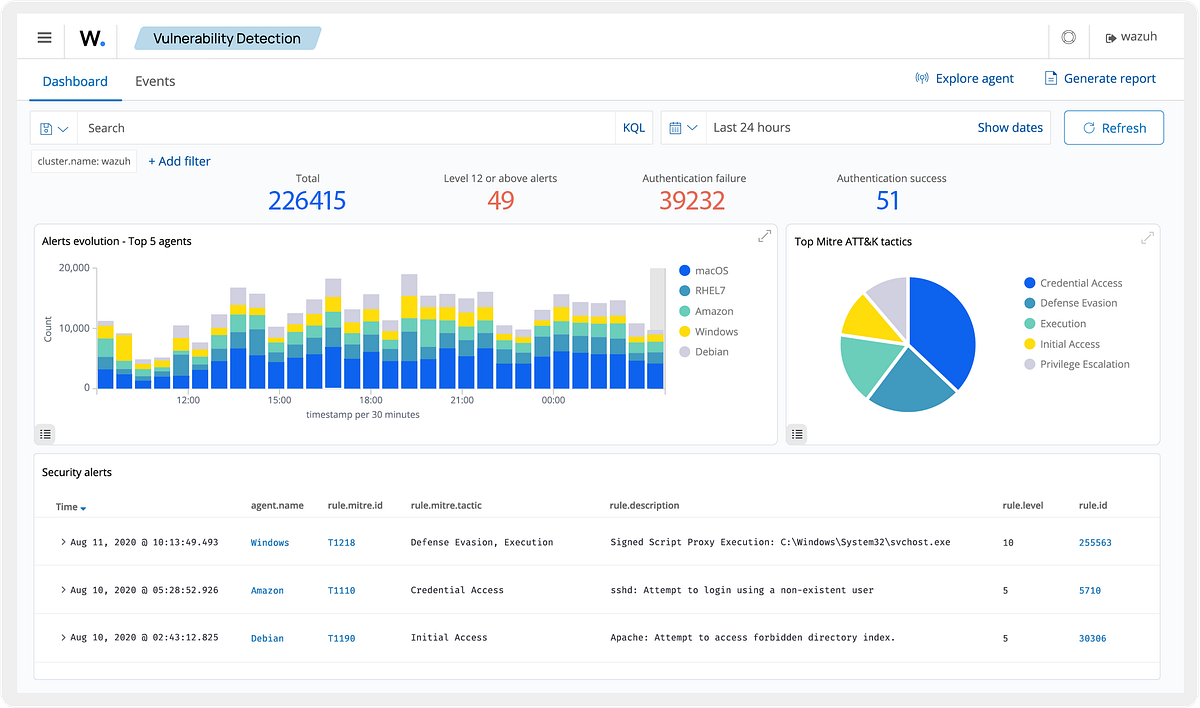
They need to watch over a flood of data without big teams or fat budgets. Small security operations centers (SOCs) face a tough set of problems in 2026. Picking the right security information and event management (SIEM) tool can make or break their efforts. It shapes how fast and well they spot threats, dig into incidents, and act on them.
Comparing wazuh vs alienvault for small SOCs is important. Knowing how each fits a small SOC’s setup changes the game. The two platforms both do security monitoring but in very different ways that matter for small groups. Wazuh draws people in because it’s open-source and flexible. AlienVault, on the other hand, pushes integration and enterprise-style features.
Small teams often need SIEMs that hit three main points:
- Low cost without losing useful coverage or quality.
- Easy setup and daily use. Hard software wastes time and energy.
- The ability to grow with more threat detection and log handling. Even small networks churn out millions of logs per day.
Wazuh’s open-source license cuts out big fees but calls for skilled IT folks to set up and tweak things. AlienVault feels more ready-to-go, yet the price can squeeze small groups unless they pick carefully. Both cover core SOC jobs—log collection, real-time alerts, and rules compliance.
Patchwork monitoring or tools requiring constant fine-tuning won’t do. SOC teams dealing with sensitive data have to see everything. So, choosing between wazuh vs alienvault for small SOCs boils down to matching platform strengths with what the team has in skills, money, and goals.
Complete Features and Advantages of Wazuh
This intro sets the stage on how strategy meets real work conditions. Next, the article dives into cost details, feature lists, and examples from the field to help SOC leaders make smarter, lasting SIEM choices. Picking Wazuh or AlienVault is more than just software selection — it’s a high-stakes move to defend digital assets under fire. For data-driven SOC pros chasing clear, useful info on these platforms, nailing the facts matters.
Small security teams handle rising threats with smaller wallets. Wazuh and AlienVault both promise relief. But their compromises affect what “right fit” really means. This is where clear, sharp comparison begins.
| Product | Our Rating | Best For | ||
|---|---|---|---|---|
|
1Wazuh |
4.7/5
|
Budget-conscious teams | Read More |
|
2AlienVault |
4.4/5
|
All-in-one SIEM | Read More |
 Complete Features and Advantages of Wazuh
Those fees often balloon as your environment grows. Organizations chasing serious security without busting budgets find this especially appealing. Wazuh cuts costs by ditching traditional licenses. It traces back to open-source roots, winning praise from users wanting flexible growth and early threat spotting. It’s highly adaptable. Together, these features put pricier commercial options on notice.
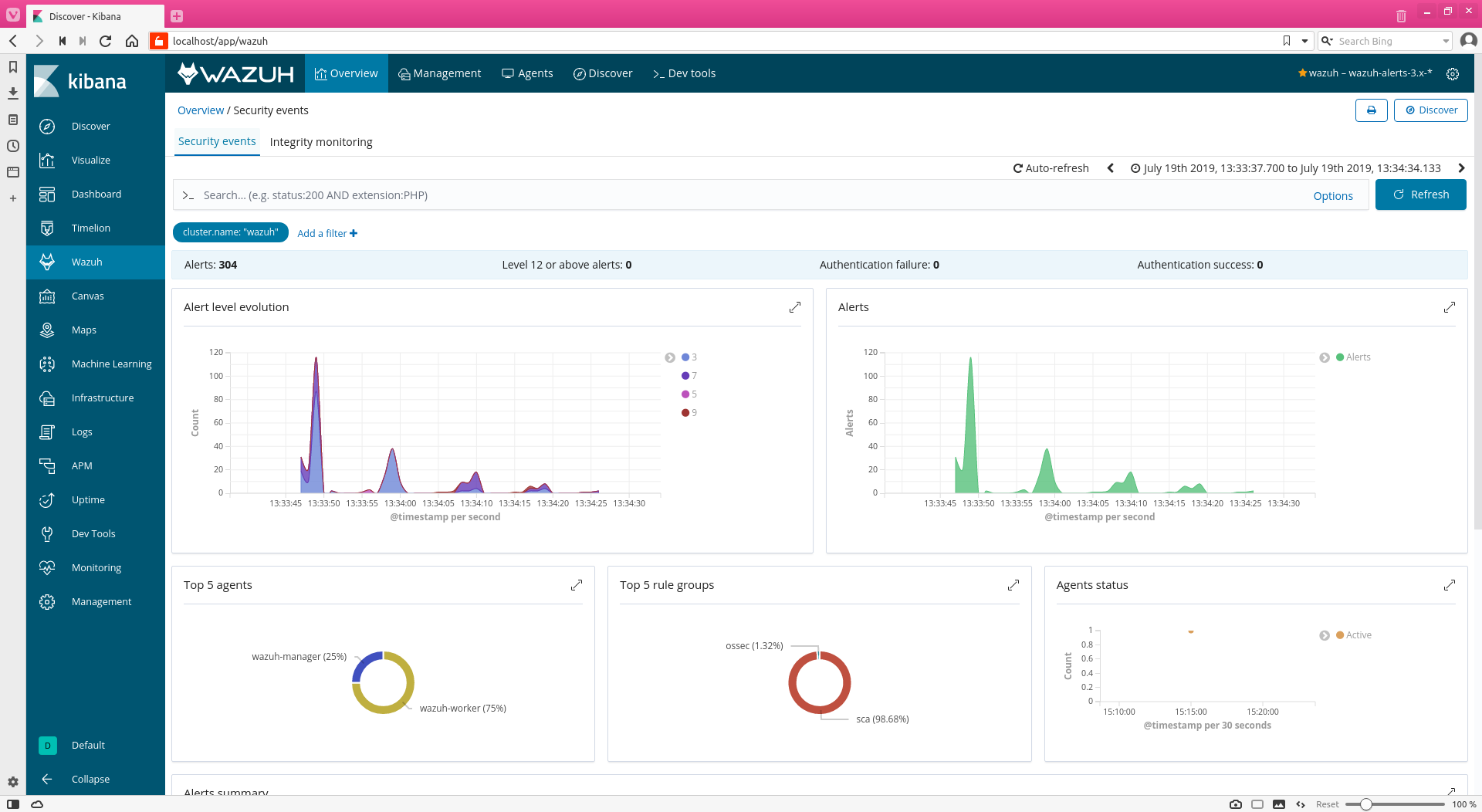
Compared to AlienVault, Wazuh stands out for price transparency. No hidden fees inflate endpoint counts here. But beware: setup can feel like a maze. Wazuh demands hands-on effort and a firmer technical grip. AlienVault offers a polished, ready-made system perfect for quick installs and minimal upkeep. So if you focus on tight cost control and broad scalability over plug-and-play ease, Wazuh makes sense. Otherwise, that trade-off might push you toward competitors.
Scaling with Wazuh won’t trigger extra charges. Buyers chasing plug-and-play simplicity may want to look elsewhere. That’s rare in enterprise security monitoring. Its cloud option sidelines the need for more hardware or extra software. This breaks down barriers for midsize and big teams aiming for simplified operations. The platform goes past simple alerts with real-time threat detection, sharpening readiness. Still, you pay that license-free bonus with more admin work. Skilled staff must maintain smooth performance. Wazuh fits teams committed to long-term, customizable defense tactics.
For more on similar open-source tools, see 5 Fastest Open Source Static Application Security Testing Tools For Python With Pricing Matrix.
| ✓ Pros | ✗ Cons |
|---|---|
| Open-source platform rated 4.4 stars based on 54 user reviews, reflecting generally positive user feedback | Some users report Wazuh is a temporary or interim solution pending a more strong SIEM replacement |
| Wazuh Cloud provides growable real-time security monitoring without requiring additional hardware or software | No dedicated licensing fees but may require more manual setup and configuration effort to fully deploy |
| Wazuh offers enterprise-grade SIEM and XDR capabilities with zero licensing fees or per-agent limits | |
| Includes advanced threat hunting features that help security teams proactively detect emerging threats |
Key Capabilities and Pricing Analysis of AlienVault
This means organizations don’t have to toggle between a dozen apps. AlienVault OSSIM packs multiple security tools into a single platform. Instead, they find everything in one place. That cuts down the daily grind. But here’s the catch: OSSIM is close to its end-of-life. Customers will need to switch to new platforms soon. That migration adds friction to long-term security plans. Also, AlienVault’s licenses can get expensive. Some teams might find the fees too steep, putting their budgets in a bind.
The core advantage of AlienVault is its integrated setup. You see alerts, threats, and compliance data all on one dashboard. No hopping between siloed systems. Wazuh, a different open-source option, takes another path with costs and features. AlienVault usually demands higher licensing fees. So smaller firms or those after flexible pricing might pass on it. Teams that prize a smooth, all-in-one workflow get the most value here. But if your security needs change or your wallet feels tight, OSSIM’s phase-out becomes a real concern.
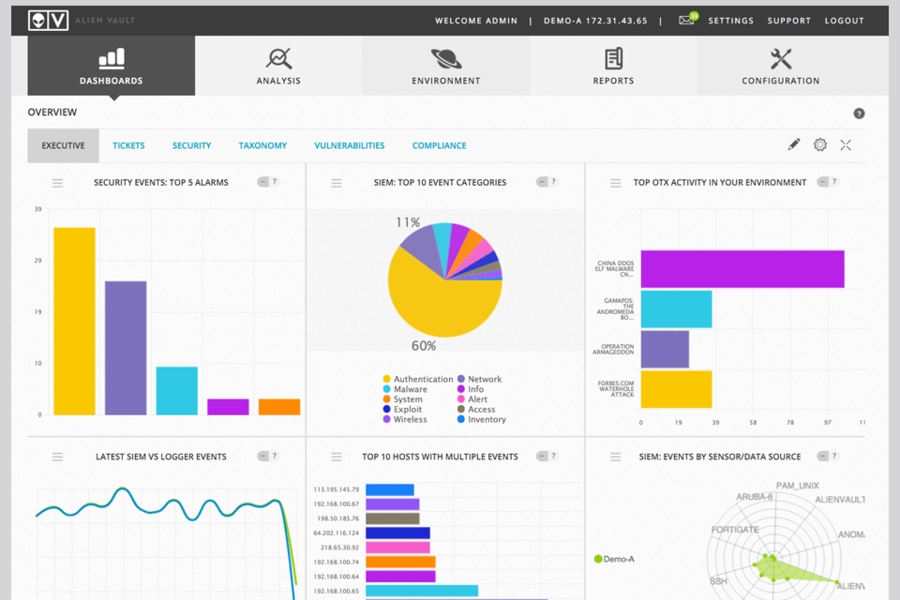
AlienVault stands out by pulling event aggregation, threat detection, and compliance checks into one spot. These features are tightly linked to ease security management, though for a premium. Buyers looking for a seasoned SIEM that slashes complexity still consider it a top pick. On the flip side, if you want licensing that bends easily or a modular system that scales without headaches, other solutions could fit better. AlienVault’s path forward seems best suited for those who focus on platform stability and deep integration over cost-cutting or flexible architecture.
| ✓ Pros | ✗ Cons |
|---|---|
| Designed for environments needing integrated security monitoring rather than separate host-based solutions. | AlienVault OSSIM is approaching its end-of-life, requiring customers to plan migration to other platforms. |
| Its user interface supports complex security workflows within a single platform, aiding centralized management. | The licensing and pricing model for AlienVault OSSIM causes additional costs, restricting budget flexibility. |
| Includes the OSSIM toolset that combines multiple security features in one package for simplified SIEM operations. | AlienVault OSSIM’s licensing price structure can lead to higher costs compared to competitors like Microsoft Sentinel. |
Feature Comparison for Small Security Operations Centers
AlienVault for small security operations centers shows clear contrasts in pricing, deployment choices, and key features designed for smaller teams. Wazuh vs. These SOCs often want something easy to set up, affordable, and sharp at spotting threats.
Wazuh is free at its core with optional support plans starting at $1,500 per year. That fits small groups ready to tweak and tune on their own. AlienVault’s OSSIM costs roughly $10,000 yearly for its Unified Security Management platform. That steep sticker includes a suite of tools but can squeeze smaller budgets tight. So, teams must weigh if ready-made convenience beats startup savings.
How you deploy each system matters too. This makes updates simpler but asks for more initial infrastructure and might bottleneck small SOCs growing bit by bit. Wazuh runs on-premises, in the cloud, or mixed setups. It can handle just a few endpoints or scale up to thousands. Its light, modular agents make phased rollouts doable in tight spaces. AlienVault mainly uses a single virtual appliance approach.
Integrations keep the picture balanced. Wazuh connects natively to over 50 data sources like Sysmon, Suricata, plus cloud services. This suits teams chasing tight ISO or HIPAA compliance without hauling a sprawling toolset. AlienVault bundles core parts—SIEM, vulnerability scanning, intrusion detection, asset tracking—but offers fewer native add-ons. That trade-off favors a single dashboard but limits reach.
How well they catch threats differs too. Wazuh uses community-built detection rules plus paid threat feeds when you subscribe. You get fine-tuned alerts custom to your setup. Reliant on proprietary correlation engines and predefined use cases, AlienVault reduces alert noise but limits customization through rules. Small SOCs juggling analyst workloads may like AlienVault’s automation slash false positives; but Wazuh’s open rules let teams dive deeper and respond faster.
Key Capabilities and Pricing Analysis of AlienVault
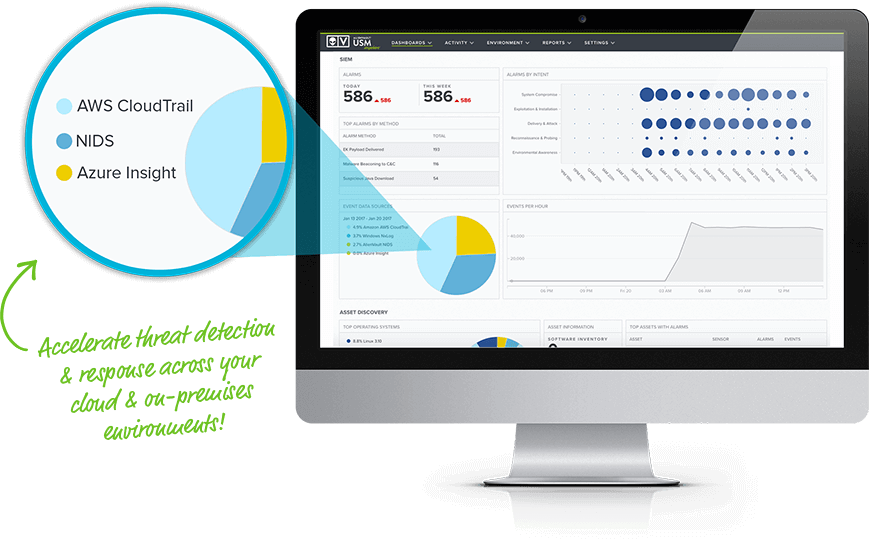
Wazuh sells commercial SLAs but leans on a thriving open-source community sharing rules and integrations. AlienVault’s paying customers enjoy enterprise-level help and centralized updates, but risk getting locked into their closed market.
| Factor | Wazuh | AlienVault |
|---|---|---|
| Pricing | Free core; paid support from $1,500/year | Commercial license starting ~$10,000/year |
| Deployment Options | On-premises, cloud, hybrid | Virtual appliance, SaaS options |
| Integrations | 50+ native connectors | Core bundled tools, fewer integrations |
| Scalability | Modular, scales from small to large | Central appliance may limit growth |
| Threat Detection | Community rules + paid feeds, customizable | Proprietary engines, fewer custom options |
| Ease of Use | Moderate, requires some setup | User-friendly, plug-and-play |
| Support | Paid SLA + open-source community | Enterprise support included |
AlienVault fits groups wanting integrated tools with less upfront tinkering. Wazuh mostly wins on price for budget teams willing to self-manage core installs. Small SOCs must figure out if they want to extend and customize or roll out ready-made workflows.
This breakdown shows Wazuh delivers deep customization for smaller SOCs brave enough for open-source puzzles. AlienVault caters to teams wanting fast deployment and less hands-on care for a higher cost.
The boost came from better log correlation flexibility. One 2026 CyberTech Review case study found a regional healthcare SOC with 50 endpoints cut incident response times by 27% after switching to Wazuh. A financial firm noted that AlienVault’s automatic asset and vulnerability scans detected risks faster but required extra adjustments for compliance reporting.
Looking at “Wazuh vs. There’s even room to mix and match, running Wazuh alongside AlienVault’s vulnerability feeds. Small SOCs juggle tiny teams and rising threats constantly. AlienVault for small security operations centers,” Wazuh’s architecture rewards skilled hands aiming for total control. AlienVault serves those chasing speed-to-value at a price. Both platforms shine within their corners.
For example, a pricing matrix on open-source static application security testing tools helps CISOs learn how to stack low-cost resources alongside SIEM investments. Teams can also check out related open-source tools that fit their size and needs (more or less). Broadening the toolset like this helps small SOCs boost defenses without blowing budgets or burning out staff.
Exploring deeper into compliance, open-source alternatives for system management help round out this security toolset comparison. Workflow demands—especially for HIPAA or ISO rules—often steer choices beyond threat detection alone. Those wanting open-source flexibility often look at open source alternatives to Jamf Pro for MacOS management for IT administrators.
Informed buyers can match platforms to their unique threats and compliance needs. Sizing up Wazuh and AlienVault through the lens of actual resource needs, license fees, and growth plans will give small security teams key clarity. This clear side-by-side stops nasty surprises later, helping teams avoid paying for what they don’t need.
For compliance or integrations, independent sites like Gartner offer trusted insights that guide smart purchase choices. For current pricing info, Wazuh’s support tiers and AlienVault’s licenses show up right on their official websites, updated for 2026. Check Wazuh official pricing details for entry points and AlienVault licensing overview for cost breakdowns. External benchmarks confirm these tools embody distinct security paths made for different resources and risk appetites.
Recommendation for Small Security Operations Centers
Wazuh and AlienVault help small security teams in very different ways. Small SOCs watching every dollar and loving open-source often pick Wazuh. It cuts out licensing fees, slicing upfront costs and letting teams shape it however they want. When money’s tight and staff skills can twist the tool just right, that’s huge. Plus, Wazuh rolls on-premises or in the cloud, making it work for mixed setups balancing both worlds.
Its mature, blended features live behind a single screen. The vendor backs it all with strong tech support and steady updates, easing the load for small, stretched teams. AlienVault rolls up a full commercial package into one spot. That trims the hassle of patching multiple tools together. SOCs chasing fast launch and easy use dig AlienVault’s ready-to-go analytics and threat correlation.
- SOCs who know SIEM or IDS inside out and want tight control with no license fee lean Wazuh’s way.
- For plug-and-play fans wanting solid threat intel right away, AlienVault usually wins.
- Tiny teams with fewer security pros find AlienVault’s vendor help a life-saver; sharp analysts get more juice from Wazuh’s open design.
- When compliance demands clear audit trails and custom alerts, Wazuh’s deep tweaking really shines.
Wazuh demands patience and skill up front—flexible, yes, but setting it up and learning won’t be a breeze. Each platform needs a different touch. AlienVault arrives ready-to-roll with dashboards that sort alerts, helping small teams dodge burnout.
Wazuh costs zero in licenses but expect to pay for servers and expert hands. Money talks loud here. AlienVault charges subscriptions that rise with more logged events or assets, yet bundles support and upkeep. Small SOCs must watch these ongoing costs closely.
In 2026 case studies, a small cybersecurity shop bent Wazuh’s open tools to craft custom rules and kept spending low, letting prices stay competitive. Meanwhile, a healthcare firm leaned on AlienVault’s unified threat management to meet HIPAA fast, with vendor updates easing staff pressure.
Choosing Wazuh or AlienVault is really control and cost-efficiency versus ease and vendor backup. Small teams rich in skills and tight on cash usually pick Wazuh. The rest chasing simplicity and help point to AlienVault. Matching your SOC’s maturity, team makeup, and compliance needs with these platforms’ strengths is key for security that lasts.
Teams running containers or Kubernetes might peek at Which Cheap Alternative To Datadog for Small Kubernetes Clusters Offers the Best Mix Of Features and Cost-Efficiency to get reach beyond SIEM. Also, open-source static analysis tools, like those in 5 Fastest Open Source Static Application Security Testing Tools For Python With Pricing Matrix, can boost vulnerability scanning inside DevSecOps flows tied to these platforms.
Here’s the score: picking Wazuh or AlienVault comes down to hands-on control plus near-zero software fees versus an out-of-the-box platform with vendor care. Both nail core SOC needs but serve different work styles and teams. The right choice shapes how much value and impact you get. For fresh industry insight, Gartner’s SIEM Market Review offers a sharp, up-to-date view on these tools and their path through 2026.
Common Concerns About Choosing Between These Platforms
Evaluating Licensing Costs and Budget Impact
Wazuh starts at $1,000 per year for small security operations centers. That’s low for solid open-source tools. AlienVault usually charges more—expect payments over $2,500 annually depending on support and setup. Teams watching their budgets need to compare what features come with each subscription and how much support costs afterward. Costs vary widely.
Understanding Deployment and Maintenance Complexity
Wazuh lets you pick between on-premises installs and cloud setups, fitting your current gear. AlienVault pushes for ready-made appliances and cloud options but might demand more tweaking upfront to fit your systems. Keeping Wazuh updated takes hands-on work because it’s open-source. AlienVault’s managed service smooths out updates but bumps your monthly bill.
Comparing Feature Sets Critical to Small SOCs
Both handle threat detection, logs, and compliance reports. Still, Wazuh shines when you want custom alert rules and flexible setups for unique environments. AlienVault bundles several known security tools into one dashboard, making life easier but less adjustable. Your SOC’s daily grind and priorities decide which fits better.
Assessing Real-World Effectiveness in Security Monitoring
Wazuh runs light and steady where resources are tight, logging lots of detail without slowing down machines. AlienVault’s OSSIM thrives when you have ample power and need integrated threat feeds plus automated incident handling. Each performs well but targets differing network sizes and risk levels.
Considering Support and Community Resources
Wazuh’s open-source crowd is busy pushing updates and plugins. Paid plans add vendor support, though. AlienVault hands you formal customer help lines and expert incident assistance. Teams needing quick vendor response might pay the premium for AlienVault. Those wanting to tweak and save tend toward Wazuh.
Picking either tool means matching its strengths to your SOC’s size, threat tolerance, and staff skills. If you want more on budget-friendly monitoring options, see Which Cheap Alternative To Datadog For Small Kubernetes Clusters Offers The Best Mix Of Features And Cost-Efficiency. Balancing upfront costs with ongoing maintenance often decides the right setup for smaller security teams (generally).