
AI Powered Log Management And Observability Platforms
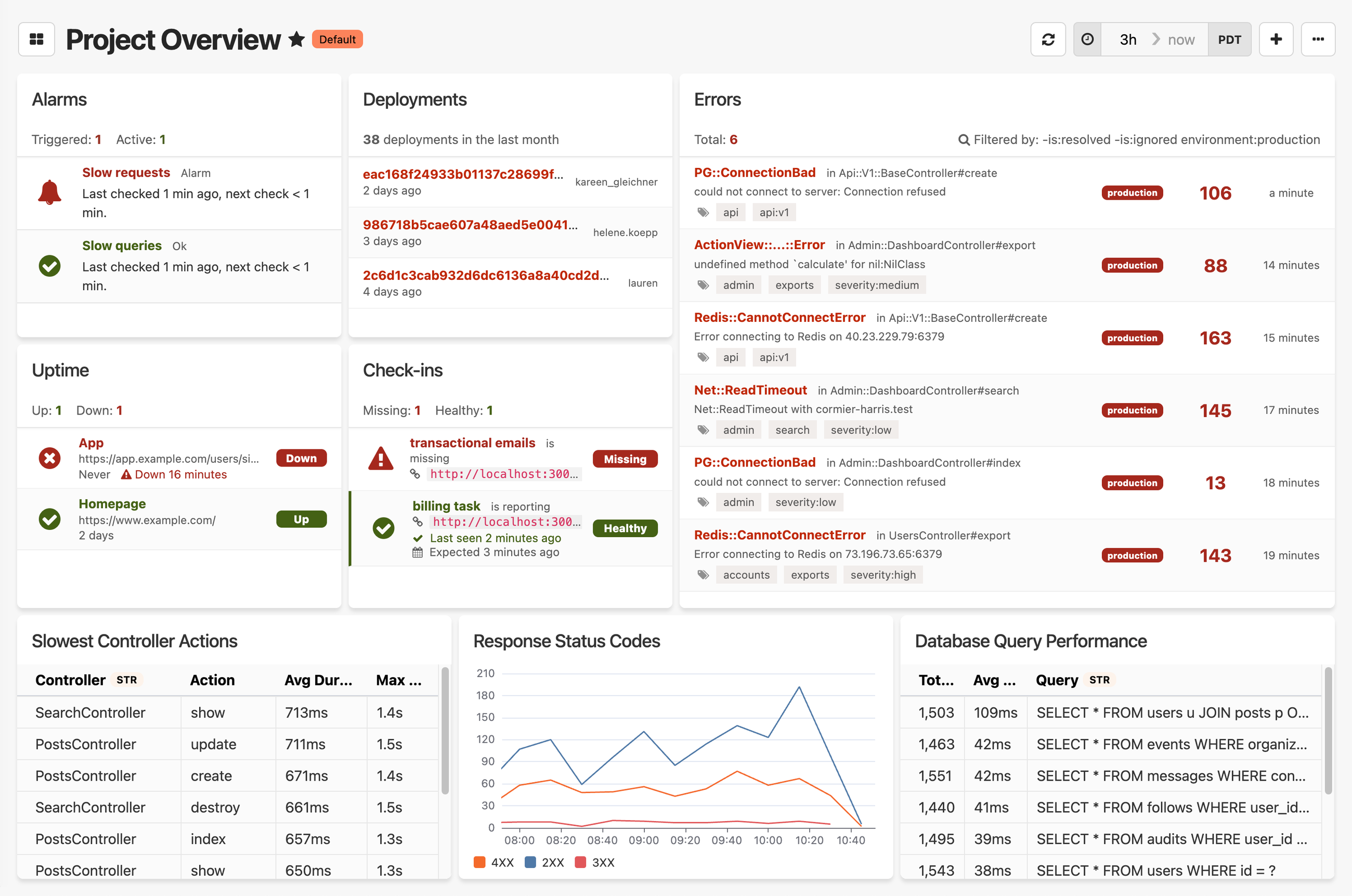
Tools for transparency can’t stay stuck in the past. IT environments swell, twist, and sprawl. You need AI-powered log management and observability platforms that catch problems early. They gather data from servers, apps, and networks. Then, AI sorts through it, spotting patterns. It predicts trouble and kicks off fixes before things break down.
These platforms mix old-school monitoring with sharp machine smarts. This review digs into how these platforms use AI, their user interfaces, and whether they scale without breaking the bank. Logs, traces, metrics—they all come together, revealing the whole system’s health. Still, not every tool handles growth well. Some choke when demand spikes (for the most part).
Three things mark the top contenders: AI-driven anomaly detection, dashboards that keep analysts awake, and architecture built to stretch without costs spiraling out (in practice). The best also play nicely with big cloud providers and plug into DevOps flows. That way, teams spend hours fixing, not hunting for data buried in piles.
- AI-powered Smart Analytics: Machine learning cracks strange behavior quicker than hand-tweaked rules.
- Simplified User Experience: Interfaces cut the noise, bringing only key alerts front and center.
- Elastic Scalability: Data systems that grow smoothly—from scrappy startups to sprawling global firms.
That’s the shape of things now (give or take). Digital footprints mushroom; manual watching doesn’t cut it anymore. AI-powered observability is the only way to keep uptime solid and performance sharp. This review sizes up the leading products, breaking down their features, pricing, and what actual users say to help IT pros sift through the mess.
NIST research shows automation slashes mean time to resolution by handling routine chores and unmasking hidden dependencies. Enterprises juggle cost, features, and cloud readiness—a dance only possible with deep insight into AI-driven tech that smooths incident handling and builds resilience. Obsessive digital service demands push observability forward like never before. These platforms are no longer optional tools but essentials in the IT arsenal.
Integrating AI Observability with DevOps and Incident Response
Modern IT teams increasingly rely on AI-powered log management platforms to simplify not only monitoring but also incident response and DevOps workflows. By integrating directly with popular CI/CD pipelines and automation tools, these observability platforms enable continuous feedback loops. For instance, AI-driven anomaly detection can trigger automated runbooks, reducing human intervention and majorly speeding up remediation. This tight coupling between observability insights and operational workflows allows teams to maintain reliability while pushing updates faster and safer—an essential balance in high-velocity environments. Related: Evaluated 2026 Savings of Top 3 Project Management Software Costs Compared.
Also, some advanced platforms use AI to correlate multiple data sources beyond logs and metrics, incorporating configuration and deployment artifacts. This full contextual awareness aids in pinpointing whether a new release, configuration change, or third-party outage is the likely cause of an issue. The ability to focus on incidents and surface actionable intelligence speed ups incident resolution times and lowers alert fatigue. Industry surveys indicate that organizations adopting such integrated AI observability solutions experience up to a 40% improvement in mean time to detection and resolution (MTTD/MTTR), making this integration a strategic advantage.
Unique Strengths and Ideal Use Cases for Intelligent Observability Platforms
They run machine learning built to catch odd patterns and predict troubles before they explode. AI-powered log management and observability platforms turn messy data into clear signals. They instantly link logs, metrics, and traces to spot the root problem fast, cutting downtime sharply. This shines in complicated IT markets packed with many systems and microservices, where watching manually won’t work. Automation reduces alert overload by cutting through noise and highlighting only real threats to performance or security.
Big firms racing to scale benefit from these platforms’ skill at handling massive data streams without choking. They fit shifts in cloud setups or mixed on-prem and cloud environments like a glove. Vital information reaches the appropriate teams through smart dashboards and customized reports, enabling operations to stay ahead rather than react frantically (give or take). Integrations with Kubernetes, AWS, and Azure extend observability across continuous deployment workflows, empowering DevOps teams to quickly address issues and maintain ongoing improvements.
Pricing often depends on how much data you send in and how long you store it—costs can spike without tight log policies. Without that, teams drown in alerts or miss subtle but critical signals. Small businesses with simpler IT might find the complexity and price too heavy. Also, squeezing AI’s full power means skilled staff must tweak and tune systems nonstop.
Elastic Observability and Logz.io lean on open-source roots with machine learning perks, attracting teams craving flexible, tweakable tools. Datadog blends infrastructure and app monitoring to boost performance in diverse ways, while Sumo Logic’s cloud-native design fits flexible, elastic workloads perfectly— proof that platforms focus differently. New Relic and Dynatrace stand out with unified monitoring frameworks that mix AI incident detection with insights on business impact.
Picking the right platform rests on your company’s size, tech skills, and budget. AI-powered observability shines when speed and flexibility count across IT operations, but simpler or older systems usually don’t need that depth. For those ready to tap predictive insights and auto-root-cause analysis, these tools slash incident response times and raise system reliability noticeably.
- Organizations running sprawling, distributed systems with frequent software launches.
- Teams seeking to cut mean time to resolution (MTTR) through AI-powered alerts.
- Enterprises needing compliance-ready, end-to-end reach with flexible data retention.
- Groups with trained staff and strong DevOps ties to open up full potential.
- Companies aware that heavy data drives rising costs but committed to smart tuning.
This fits modern IT’s push for prediction and steady improvement without drowning teams in data. Early adopters report better ROI and leaner operations. Smart investment here centers resilience while weighing organizational readiness, as Gartner Magic Quadrant reports highlight. For tips on managing costs while scaling observability tools, this report from the U.S. National Institute of Standards and Technology offers solid guidance. Using these platforms well lifts IT from constant fire-fighting to sharp, data-driven foresight—as systems grow knotty and demanding.
Handling Common Concerns About Observability Platforms
How AI Improves Log Management Accuracy
AI-powered log management platforms detect errors far quicker than people can. They sift through mountains of data, tagging key anomalies while dumping irrelevant noise. You’re not chasing after false leads anymore. A typical debugging session can shrink from hours to minutes because the system flags the real trouble spots. Imagine a sharp-eyed assistant who never blinks, scanning ceaselessly for problems. That’s the difference.
What Pricing Structures Are Typical for These Platforms
Pricing depends heavily on data volume, retention duration, and selected features. Startup plans might begin around $15 per gigabyte—but expect costs to escalate as you add AI analytics or custom alerts. Vendors typically charge separately for these extras. There are no hidden fees; buyers usually receive clear, upfront pricing, allowing budgets to stay steady and predictable over time. Some licenses even include service tiers that scale automatically.
Which Integrations Support Smooth Deployment
Leading platforms integrate with major clouds like AWS, Azure, and GCP. They slot into DevOps toolchains—CI/CD workflows, container orchestration, and more. These tools pull logs and metrics from dozens of sources, weaving data into a single unified dashboard. Through APIs, you can tailor alerts and dashboards so they highlight exactly what your team tracks daily. This adaptability reduces friction in complicated, hybrid environments.
How They Improve Root Cause Analysis Efficiency
These tools go beyond amassing raw data. They map connections across diverse sources and apply machine learning algorithms to pinpoint subtle glitches. AI catches patterns invisible to human eyes. As a result, teams stop battling symptoms randomly and start resolving fundamental issues. This shift can boost uptime by major margins and improve overall system reliability. The payoff is fewer emergencies and a clearer path to stability.
What Security and Compliance Features Are Included
Observability platforms strictly protect sensitive logs. Role-based access control restricts reach to authorized personnel only. Data encryption shields information both during transit and while stored on drives. Complete audit logs track user actions in detail. These elements help organizations maintain compliance with important regulations like GDPR and HIPAA. Your data ends up not only accessible but securely locked down and fully traceable.
Automation and AI increasingly drive operational decisions across complex, ever-shifting systems. Adopting these platforms aligns with the growing move toward smarter infrastructure management.