
How Reliable Continuity Tools Transform Business Resilience

Picking the right business continuity software can mean the difference between chaos and control when disaster strikes. But here’s the snag: not every platform delivers the clear value or steady results you need. It used to be a simple checklist. Now it’s a full-on strategy, needing tough software that handles risks, recovers systems, and keeps communication flowing all at once. The best tools keep businesses moving through cyberattacks, storms, or supply chain meltdowns.
Companies chasing top business continuity software want more than a safety net. Effective BCM requires coordinated efforts across departments, current up-to-date plans, regularly tested workflows, and evidence of compliance during crises. By automating risk assessments and speed uping incident response, these tools relieve IT and risk teams from constant emergency handling.
Top business continuity software must deliver these core benefits:
- A central hub for spotting risks, writing policies, and collaborating—shared clearly, never stuck in silos
- Automated impact analysis that ranks recovery steps by what assets matter most and how they connect, revealing when financial or operational damage starts
- Real-time tests with scenario drills so companies sharpen responses before disaster hits
- Compliance tracking for rules like ISO 22301, HIPAA, or GDPR, easing audits and cutting costly noncompliance risks
- Role-based dashboards offering sharp, custom views for executives, risk managers, IT staff, or crisis teams
Skipping a full BCM platform doesn’t just cause downtime. Manual, scattered efforts ramp up errors and slow decisions when every second counts. Great software boils down tangled resilience rules into clear, ready-to-run playbooks with alerts and checkpoints that speed safe recovery.
This blend boosts awareness and quick moves, critical when cyber threats or natural disasters hit fast. Businesses also want platforms linked to threat intelligence feeds and IT asset inventories, building a real continuity command center instead of locked-away silos. The software has to stretch from small businesses managing basic disaster recovery to global firms running complex resilience programs.
Fusion Framework System Features and Pricing Analysis
Some offerings cloud choices with hidden fees or few pricing tiers, leaving buyers guessing on costs tied to seats and needs. Finding top business continuity software means balancing wide features with clear pricing, excellent user experience, and real customer proof. Transparent pricing builds trust and supports long-term use.
Next up are pricing tiers, client success stories, and side-by-side feature tables for leading picks like Fusion Framework System, MetricStream, and Resolver BCM. With sharp insights and solid data, this guide points you toward software that turns continuity from risk dodging into a competitive edge worth betting on.
The business world in 2026 demands readiness. The right continuity software is your lifeline—not just to survive but to come out stronger after disruptions. For more on syncing digital tools with risk management, see Top IT Asset Management Software Solutions For Simplified Business Efficiency, a go-to resource for managing the tech behind continuity plans.
- Fusion Framework System — Subscription pricing is set at $24 per seat, aligning costs with user scale in organizations.
- MetricStream — Subscription pricing for MetricStream is set at $24 per seat, targeting enterprise users with seat-based licensing.
- Resolver BCM — Priced at $24 per seat, targeting business continuity and disaster recovery planning.
- ClearView Strategic ISMS — Subscription pricing is set at $24 per seat, providing clear cost structure for users.
- Quantivate BCM — Pricing is fixed at $24 per seat, enabling straightforward budget planning for teams.
- Continuity Logic — Subscription pricing is set at $24 per seat, targeting business continuity and disaster recovery roles.
| Product | Our Rating | Best For | ||
|---|---|---|---|---|
 |
1Fusion Framework System |
4.3/5
|
Business continuity teams | Read More |
 |
2MetricStream |
4.5/5
|
Enterprise resilience teams | Read More |
 |
3Resolver BCM |
4.2/5
|
Mid-market enterprises | Read More |
 |
4ClearView Strategic ISMS |
4.2/5
|
Enterprise resilience planning | Read More |
 |
5Quantivate BCM |
4.7/5
|
Mid-size enterprises | Read More |
 |
6Continuity Logic |
4.3/5
|
Subscription pricing is set at | Read More |
 |
7Avalution Consulting |
4.8/5
|
Business continuity seats | Read More |
 |
8Sungard Availability Services |
4.5/5
|
Includes business continuity, disaster recovery | Read More |
 Fusion Framework System Features and Pricing Analysis

That price puts it in the premium camp, especially when user counts grow. It stands apart by mixing business continuity, recovery, and resilience with centralized risk views—but it skips newer AI automation found in some rivals. Fusion Framework System charges $24 per user, making it easy to match costs with how many people need access. Budgeting feels simple with one flat fee. But there’s no volume discount or tiered pricing. Small teams or groups that shift size might hesitate. Competitors like Resolver BCM openly show tiered and volume options. Fusion Framework System’s pricing feels vague by comparison.
This pricing fits organizations that want a tough, licensed-seat setup built on solid business continuity traditions and are fine paying a steady, higher user fee. The system’s focus on centralized risk oversight helps governance but leans heavily on manual work, which demands real client commitment. Mid-sized to large firms with established BCM routines, especially those needing detailed crisis plans, get the most from this. Startups or smaller companies on tight budgets or chasing flexible pricing may see that fixed cost as a roadblock. Plus, unclear pricing details add hesitation for cautious buyers.
Its centralized risk management watches over continuity efforts, aiming to keep them strong under pressure. Fusion Framework System keeps to its steady per-user price and deep BCM toolset, drawing in risk-averse groups focused on resilience with predictable licensing fees and built-in procedures. Procurement teams chasing latest AI or flexible, volume-aware pricing might find it rigid, nudging them toward alternatives blending cost and automation more smoothly. It’s not for everyone. So, though it fits a clear enterprise niche well, its firm pricing and hands-on approach could block some teams focused on scaling and modern analytics.
Compared to rivals that openly list detailed tiers and bulk discounts, Fusion Framework System’s less clear pricing may slow budget planning. Still, tying fees directly to core BCM features sets a dependable—if premium—position that favors commitment over bargain hunting. Public success stories from customers are rare, unlike companies that highlight user results. Even so, its sharp focus on operational resilience shines, especially for mid-market buyers wanting integrated BCM tools on a clear, steady budget.
In the BCM software market, where prices often hide behind layers, Fusion Framework System’s flat-per-user model offers budget certainty but at the cost of flexibility. It suits enterprises with mature continuity programs and stable user counts, focusing on depth and reliability rather than broad appeal. The lack of sliding pricing or entry-level options suggests a clear choice to target buyers ready to invest fully, not those chasing price swings.
MetricStream Business Continuity Solutions Overview

Organizations deeply invested in BCM governance that need ongoing, centralized risk tracking will find this system offers a tight, controlled setting justifying its premium tag. For them, manual workflows and fixed pricing may feel limiting despite solid fundamentals. Its proven crisis tools bring accountability in structured setups. But companies growing quickly or juggling budgets should weigh the $24 fixed fee against rivals offering tiered plans or AI-improved features. Fusion Framework System’s core software excels at operational strength but leaves gaps for users wanting smarter automation or price flexibility.
That flat $24 fee makes forecasting costs straightforward but challenges smaller outfits or teams unsure about seat counts, since there’s no multi-user discount. Fusion Framework System bets on stable user numbers, not spikes in team size. Its value stands out for mature continuity programs and centralized risk insight, not flexible prices or AI advances. This focus narrows its audience but highlights the strict, deep approach prized by seasoned BCM pros.
Built to weave together continuity, disaster recovery, and resilience in daily operations, the fixed price suits buyers wanting predictable, user-linked costs but might turn off those looking for budget flexibility or latest automation. The platform draws strongest interest from enterprises needing tight, centralized risk control coupled with clear, stable licensing. Its manual processes and limited published case studies temper wider adoption but secure a steady place among organizations that prize clarity and control in BCM spending.
For more on blending asset management with BCM in this style, see Top IT Asset Management Software Solutions For Simplified Business Efficiency.
| Tier Name | Price Per Seat | Core Features Included |
|---|---|---|
| Standard | $24 | Business continuity management, disaster recovery, operational resilience, centralized risk assessments |
| No lower tiers or volume discounts reported | N/A | N/A |
| Factor | Fusion Framework System | Typical Alternatives |
|---|---|---|
| Price | $24 per seat | Tiered pricing with some volume discounts |
| Money-Back Guarantee | Not publicly disclosed | Usually 30–90 day refunds |
| Core Features | Integrated BCM, disaster recovery, operational resilience, centralized risk assessments | Often partial suites or single-focus tools |
Its pricing may put off smaller buyers but fits those who want clear user-linked costs. Fusion Framework System’s steady seat licensing and broad risk and resilience tools build a unified continuity platform aimed at mid-market firms wanting long-term BCM investment stability. This focus locks in its spot as a solid choice for businesses that value continuity and resilience without needing flashy AI automation or discount-driven pricing.
Resolver BCM Integration and Workflow Capabilities
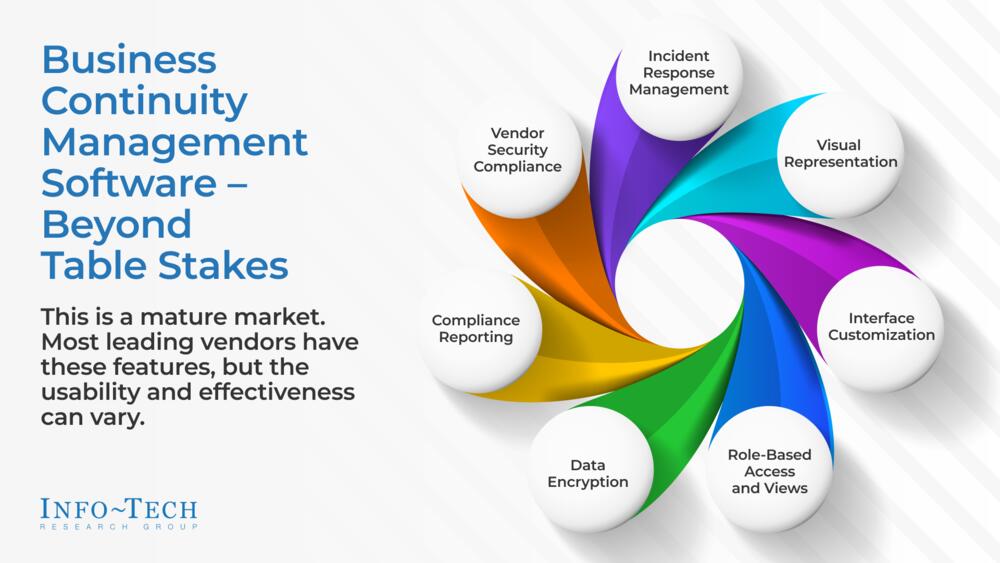
For a closer look at BCM ideas like Fusion Framework System offers, check industry reports such as Gartner Business Continuity Management Reviews.
| ✓ Pros | ✗ Cons |
|---|---|
| Subscription pricing is set at $24 per seat, aligning costs with user scale in organizations. | Price tier is on the higher end, possibly limiting adoption by smaller businesses. |
| Includes business continuity management, disaster recovery, and operational resilience features. | No mention of multi-seat discounts or lower pricing tiers beyond the $24/seat rate. |
| Supports centralized risk assessments to maintain a clear organizational operational view. | Lacks detailed evidence of AI-driven automation or advanced analytics features. |
| Offers tools for creating, testing, and maintaining business continuity and crisis management plans. |
 MetricStream Business Continuity Solutions Overview
It suits big companies that want a full solution to combine risk checks with plans for keeping things running smoothly. It’s built for complicated organizations that juggle many moving parts. MetricStream costs $24 per seat. The platform pulls all assessments into one place. This helps teams work better during crises and keeps operations steady.
Fusion Framework System is different. MetricStream’s focus on tying together continuity and resilience makes it a strong pick if you’re running a big ship, but it’s tougher for leaner or budget-tight teams to onboard. Its pricing isn’t clear, and it doesn’t offer detailed plan choices. MetricStream’s cost per seat is straightforward but inflexible. Smaller businesses or startups may struggle with the price since there’s no cheaper entry level or free option. This setup favors large enterprises.
The platform’s key advantage is how it brings risk and resilience tools under one roof. But if your team is smaller or wants modular options and AI-driven features, the platform might feel rigid and behind the curve. This cuts down on using different systems for related tasks. Yet, the lack of pricing flexibility keeps some buyers at bay. Also, MetricStream doesn’t lean heavily on AI automation. This limits advancement. That means it might fall behind rivals that push for smarter, machine-driven readiness (as a rule). If you need a solid continuity tool priced by seat with built-in risk checks, MetricStream fits well.

| ✓ Pros | ✗ Cons |
|---|---|
| Subscription pricing for MetricStream is set at $24 per seat, targeting enterprise users with seat-based licensing. | Pricing at $24 per seat places MetricStream on the higher end compared to simpler, cost-effective alternatives. |
| MetricStream offers business continuity management solutions that integrate disaster recovery and operational resilience tools. | MetricStream lacks explicit mention of a low-cost or free-tier option for smaller businesses or startups. |
| The platform centralizes risk assessments to simplify business continuity planning and crisis management workflows. | No details on multi-tiered plan flexibility limit clarity on scaling down or customizing subscription levels. |
| User feedback notes limited availability of AI-driven automation compared to competitors emphasizing AI in readiness and response. |
Resolver BCM Integration and Workflow Capabilities
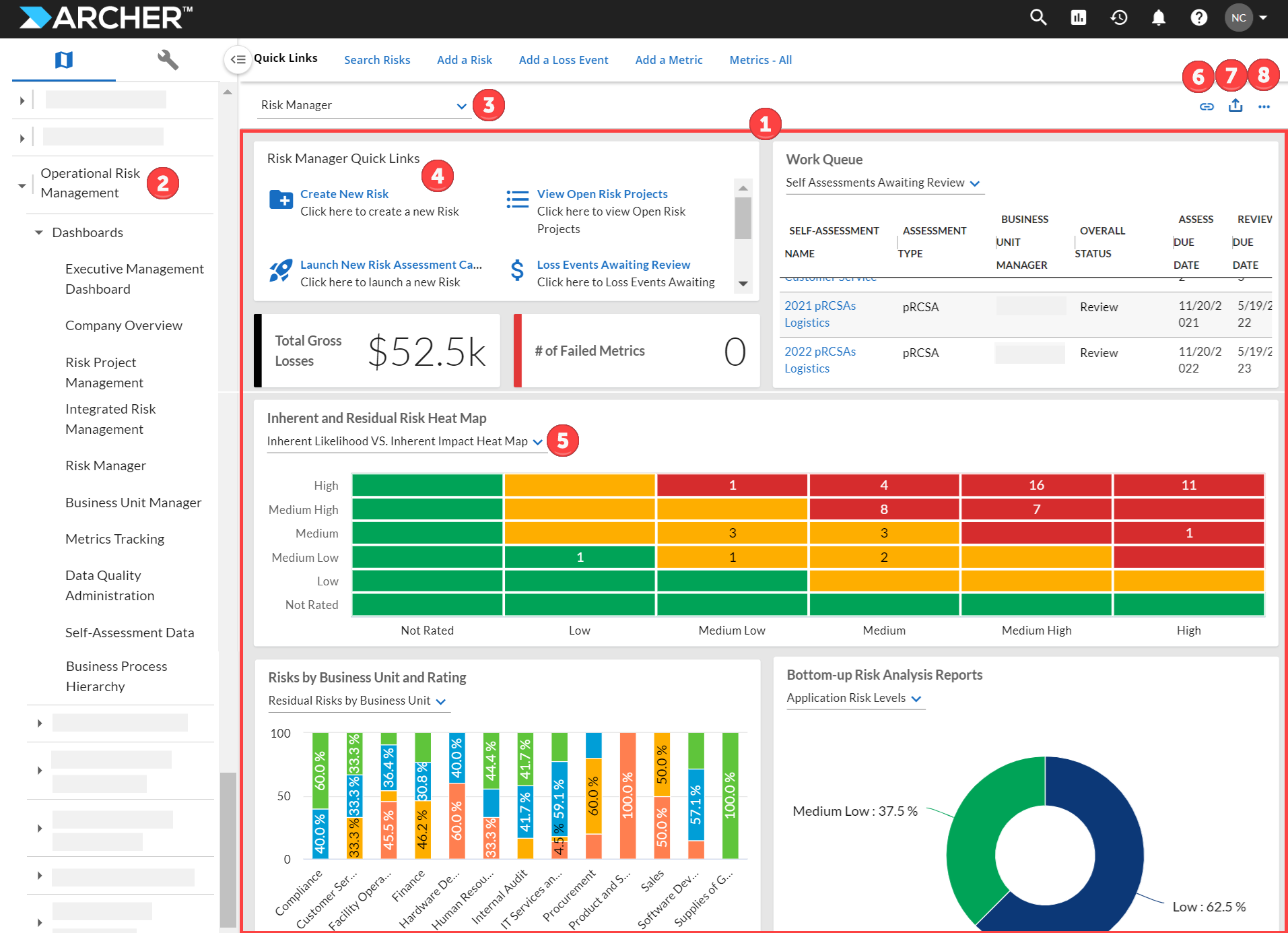
This price aims at mid-sized and larger companies. But at this price, Resolver BCM ranks among the pricier picks, which could turn away buyers watching tight budgets or hoping to scale up gradually. Resolver BCM costs $24 per user. Smaller firms might find it too expensive since there’s no cheaper entry option. The tool focuses on risk checks to boost how businesses bounce back after disruptions. It suits those with solid continuity plans already in place.
This makes it simpler for buyers to plan their budgets. Put side by side with Preparis’ RecoveryPlanner, Resolver BCM shows clearer prices and spells out costs directly. Preparis is fuzzier about how the system looks and works day to day, which can slow down making a choice. Still, Resolver BCM misses out on smart automation tools—like AI-driven features—that some rivals highlight to speed up work. So, it’s good for groups wanting steady risk tracking and up-front pricing. Those needing a cheaper start or more tech-savvy tools might look elsewhere.
It’s built for users with set budgets and clear resilience targets. For a bigger picture on integration hurdles, see top IT asset management software solutions for simplified business efficiency. What defines Resolver BCM is its sharp focus on central risk insight within business continuity. The flat per-seat price keeps budgets simple but isn’t flexible, which may make it hard for smaller outfits to jump in. Also, there’s little info on how well it hooks up with other enterprise software, leaving questions about fit. Overall, it works best for firms needing a transparent, risk-centered platform without bells and whistles like automation or wide integration. Companies after advanced AI or flexible pricing will probably want to check other options.
| ✓ Pros | ✗ Cons |
|---|---|
| Priced at $24 per seat, targeting business continuity and disaster recovery planning. | No available lower-tier or free plans to accommodate smaller businesses or limited budgets. |
| Includes centralized risk assessments to improve operational resilience management. | Lacks detailed feature breakdown such as AI-powered automation compared to competitors offering such capabilities. |
| Offers business continuity management and resilience software to prepare for and minimize operational disruptions. | No explicit mention of integrations or multi-platform support limits understanding of cross-system functionality. |
| Pricing considered on the higher end for business continuity management software solutions. |
ClearView Strategic ISMS Pricing and Feature Breakdown
ClearView Strategic ISMS charges $24 per user. This makes it easier for companies to predict costs when teams grow or shrink. Unlike competitors that mix features into flat fees or unpredictable rates, ClearView’s pricing zooms in on each user (give or take). This helps businesses that want exact cost control but might push away smaller outfits looking for cheaper or more flexible deals.
ClearView Strategic ISMS focuses on detailed, hands-on continuity steps—planning plus recovery actions you follow one by one (more or less). Resolver BCM, by contrast, handles broader risk management but offers less detailed guidance. ClearView’s approach tackles tricky recovery jobs with stepwise workflows. Still, it costs more and misses automated updates for continuity plans. That means more manual work and might turn off users wanting easy, set-it-and-forget-it solutions.
The platform stands out by offering tools to handle continuity in the moment, great for organizations that must keep tight control during crises. Its clear per-user pricing suits procurement teams wary of hidden fees. But there’s no free trial or demo period. You can’t test it first without paying, so it’s a gamble—pay upfront for certainty or risk not liking what you get.
ClearView Strategic ISMS Feature and Pricing Focus
This predictable cost helps with compliance checks and audits. ClearView bundles business continuity, disaster recovery, and resilience features under one roof at a stable per-seat price. The platform’s focus on interactive recovery beats rivals who mostly offer static docs. Yet, because it lacks automation to refresh plans automatically, companies must assign people to keep everything current. This means ClearView favors hands-on control instead of hands-free upkeep—a plus for teams needing strict manual oversight, but a downside to those wanting automation (generally).
However, without a free trial, smaller teams might hesitate to dive in, making the tool better suited for buyers sure of its benefits. Those shopping for business continuity software will appreciate ClearView’s clear per-seat fees and guided workflows, which smooth out budgeting (give or take). This blend of price and performance makes ClearView Strategic ISMS a strong pick for mid-sized businesses aiming for solid resilience within set budgets.
Other expert takes, like Gartner’s advice on business continuity apps, stress the value of transparent costs and detailed planning—exactly where ClearView Strategic ISMS fits companies wanting tight risk control and steady operations.
| ✓ Pros | ✗ Cons |
|---|---|
| Subscription pricing is set at $24 per seat, providing clear cost structure for users. | Pricing at $24/seat positions it on the higher end compared to simpler BCM software competitors. |
| Supports guided planning and real-time recovery management to build and test business continuity plans. | No mention of a free tier or trial period limits cost-free evaluation opportunities. |
| Includes dedicated business continuity, disaster recovery, and resilience management features. | Lacks detailed evidence of automation capabilities for ongoing plan maintenance. |
 Quantivate BCM Complete Planning Tools
You’ll know what you’ll pay each time—no surprises. Quantivate’s fixed rate feels inflexible when growth is gradual. Quantivate BCM charges $24 per seat (as a rule). That steady fee supports budgeting but places it on the expensive side. Small businesses or cost-conscious teams might hesitate. They won’t find a free trial or a cheaper entry-level option here. No free trial available. If you want to test the waters first, Quantivate blocks that path. Many competitors offer sliding scales that adjust prices based on company size or specific needs.
Quantivate opts for a one-price-fits-all model. Check out Fusion Framework System instead, with its layered pricing tiers. This simplifies cost calculations but removes scaling flexibility (in practice). The vendor shares few user cases or detailed help guides, so you’ll need to probe further before committing. This service fits mid-to-large firms already fluent in business continuity. The upfront payout and onboarding demands could overwhelm smaller groups or teams lacking tech assistance.
Within the platform, incident reviews merge smoothly with recovery workflows. It packs tools to carefully plan and gauge business impact, nudging users toward thoroughly tested continuity plans worthy of audits. Companies aiming for exam-ready preparedness find this setup ideal. However, mastering the software fully requires a time investment. The per-seat price aids predictable team growth but can become a hurdle. For those with strict budget caps or wishing to buy modular software, frustration looms large.
| ✓ Pros | ✗ Cons |
|---|---|
| Pricing is fixed at $24 per seat, enabling straightforward budget planning for teams. | Pricing at $24 per seat is on the higher end compared to some cost-effective alternatives. |
| Provides a centralized platform for risk assessments and real-time recovery management operations. | No evidence of a free or lower-cost tier limits entry for smaller business budgets. |
| Supports building and testing exam-ready business continuity plans with guided planning and BIA tools. | Limited information on platform-specific support may hinder deployment flexibility across diverse environments. |
| The software’s feature scope may require major training to use its full capabilities. |
Continuity Logic Software Capabilities and Demo Access
It targets teams ready to spend on a solid continuity platform. Continuity Logic charges $24 per seat. This price is higher than basic tools. It shows the package is meant for pros who focus deeply on continuity and recovery planning. But the one-price-only deal might scare off smaller or budget-tight teams. Competitors like MetricStream offer tiered pricing that fits different company sizes. Continuity Logic’s single rate feels stiff if you need to scale up or down. Its strength lies in centralized risk checks and guided emergency planning. That’s where it makes continuity smoother and more unified. Still, how well it plugs into other systems or automates workflows is unclear. Bigger businesses needing tight recovery control might love it. Smaller teams or those wanting flexibility and broad integrations might look elsewhere.
The platform pairs real-time recovery tools with built-in business impact analysis. Organizations that rely on close coordination during outages find real value here. Together, they speed up smart decisions—key when continuity demands get tricky. It helps match risk spotting with recovery actions, perfect for firms needing active recovery orchestration. The $24 seat price signals it’s made for users wanting advanced features, likely pricing out smaller outfits with simpler needs. Yet, bundling emergency talks and risk assessments into one system smooths workflows.
Continuity Logic pushes continuity ahead by centering on structured planning and communication tools. They praise how the platform simplifies recovery workflows and boosts resilience—a strong sign it delivers in the real world. This helps keep control steady when incidents hit hard. One place for risk checks cuts down repeated work and spreads updates across plans in a steady stream. Still, lacking tiered pricing and with vague limits on integration compared to rivals focused on automation, the platform might box itself in. Growth may be limited. Groups wanting to grow continuity or connect with many tech stacks could feel stuck. So, it mainly appeals to continuity leaders who want recovery management all under one roof and clear risk views. User reviews on G2 back this up.
Combine insights on Continuity Logic with reviews of top IT asset management tools. Want better grip on fluid risks hitting continuity? This mix ties asset tracking and continuity planning tighter. It’s essential for mature continuity strategies, where clear, full asset reach guides careful risk and recovery moves.
| ✓ Pros | ✗ Cons |
|---|---|
| Subscription pricing is set at $24 per seat, targeting business continuity and disaster recovery roles. | Pricing at $24 per seat places Continuity Logic on the higher end compared to simpler alternatives. |
| Continuity Logic offers business continuity plans with BIA tools and real-time recovery management features. | No detailed mention of multi-tier plans limits insight into scalability for smaller teams. |
| Supports centralized risk assessments to simplify business continuity management processes. | Lacks specified integration capabilities in raw data, possibly limiting workflow automation. |
| Includes tools for guided planning and emergency communications within its continuity software platform. |
Avalution Consulting Methodologies and Implementation Support
Avalution Consulting charges a flat $24 per seat subscription fee. Competitors like MetricStream keep costs murky. A lot of organizations want to know what they’ll pay upfront. Avalution skips tiered or volume discounts, though. That might turn off bigger companies hunting for lower per-user rates (broadly speaking). Rivals pump cash into AI-powered readiness automation; Avalution sticks to core resilience features, splitting tiers into continuity and recovery. It fits mid-sized firms that want clear budgets tied tightly to hands-on recovery. Smaller outfits with tight budgets may see the price as steep and the AI as thin.
Avalution doesn’t chase shiny automation trends. Instead, it leans on guided planning and business impact analysis tools built for solid, exam-ready continuity plans. Many players chase AI bells and whistles; Avalution keeps to clear emergency communication and helping users grasp workflows. This gives it serious technical depth for teams who crave structure, though lacking a free or entry-level tier might block cost-conscious buyers. Avalution suits those after transparent seat pricing and tough recovery functions over flashy AI. Those looking for volume discounts or cheaper options will look elsewhere.
Its pricing cuts through the usual BCM thicket of hidden fees. You get steady, predictable costs—not the custom or volume-based tack rivals use. Avalution splits features into tiers: continuity, disaster recovery, and resilience—backed by step-by-step planning and impact tracking tools. No discounts for multiple seats. That limits access, especially for small teams or startups. Mid-sized groups wanting reliable emergency communication and recovery will value Avalution’s clarity and structured approach. Yet the relatively high cost and slim AI options may discourage businesses running tight budgets or needing flexible pricing (more or less). Avalution’s seat fee is a firm anchor for finances and ops but leans toward firms ready to invest steadily in BCM.
Avalution Consulting’s Place in the Business Continuity Market
Its emergency communication cuts costly disruptions during crises, setting it apart from competitors like Resolver BCM, which chase AI-driven automation. The $24 per seat price gives purchasing teams a neat figure to forecast expenses and control budgets. Avalution stands out by delivering ready-to-go, exam-proof plans through guided planning centered on business impact analysis. This hands-on, user-focused style helps teams who want clarity and order without drowning in automation clutter.
Mid-market companies with BCM programs already in place gain from its solid planning base—no wrestling with confusing automation complexity. Smaller firms or those chasing the latest AI might struggle with Avalution’s technical style and price. The seat-by-seat fee fits organizations growing at a steady pace, but it lacks the pay-as-you-go models that startups or shifting teams might need.
Avalution plays nice with existing BCM workflows and integrates with IT asset management systems, as detailed in Top IT Asset Management Software Solutions For Simplified Business Efficiency. That makes it a strong choice for groups craving clear pricing and solid function, not flashy AI features, in continuity management.
For decision-makers seeking market perspective, Gartner’s review of business continuity management solutions highlights Avalution’s practical strengths in mid-market segments. Its open pricing and exam-focused tools give operational leaders sharper control over budgets and risk readiness.
| ✓ Pros | ✗ Cons |
|---|---|
| Subscription pricing is $24 per seat, supporting clear budgeting for business continuity programs. | No specific details on multi-seat discounts or volume pricing at scale beyond the base $24/seat. |
| Offers dedicated plan tiers focusing on business continuity, disaster recovery, and resilience. | Limited reach on AI-driven features compared to competitors’ advanced readiness-response automation. |
| Supports emergency communications and real-time recovery management to simplify response operations. | Lacks mention of any free or lower-cost tiers for new or budget-conscious businesses. |
| Includes guided planning and business impact analysis (BIA) tools for exam-ready business continuity plans. | Pricing is reported on the higher end, possibly limiting accessibility for smaller organizations. |
Sungard Availability Services Pricing Transparency and Benefits
Sungard Availability Services charges $24 per seat, which helps companies forecast their continuity spending more easily. Its software bundles continuity, recovery, and resilience into defined tiers, so teams can centralize risk and resilience efforts. It doesn’t, however, give discounts for bulk purchases. Also, pandemic-specific crisis plans are missing—an omission some users might find off-putting.
Riskonnect competes but keeps pricing and feature bundles vague, complicating budgeting. Sungard equips users with business impact analysis tools and plan templates that help maintain and update plans methodically over time. Beyond that, Sungard combines risk assessment and resilience management within one platform, unlike competitors that scatter functionalities. Prices here run above average, and the platform lacks advanced AI to speed up incident response. Smaller budgets or automation-hungry buyers could easily look elsewhere. Still, it suits midsize or large teams wanting integrated, predictable planning.
What makes this platform stand out is its all-in-one subscription method. Disaster recovery, resilience, and continuity come bundled, reinforced by regular planning and testing that meets strict compliance standards. Yet, it doesn’t offer steep price breaks on large seat deals. AI capabilities remain sparse, which might disappoint those craving smart automation to speed workflows. If clear seat-based fees plus automated smarts are your priorities, Sungard could feel stuck in the past (by and large). It fits users seeking steady BCM improvements through a known vendor but might frustrate those pressed for cash or needing custom pandemic strategies.
Artificial Intelligence and Automation in Sungard Availability Services
At present, Sungard lacks AI features that hasten crisis decision-making or reduce manual effort. It shines in preparation and compliance exercises but stops short of deploying automation to smooth the transition between readiness and live incidents (for the most part). This gap is becoming key in BCM technology.
Pricing Structure and Seat-Based Costing
The fixed $24 per user price simplifies budgeting with Sungard. Still, no clear volume discounts appear for companies scaling up seat counts. Many competitors lower prices as headcount rises—a big deal for fast-growing teams or those with diverse user demands.
For anyone seeking a dependable continuity solution with simple pricing and combined resilience, this platform delivers. But if your focus is latest AI or crisis plans built for pandemics, you’ll want to dig deeper. More on managing continuity software spending awaits in Gartner’s Business Continuity Management reports. No discounts here.
| ✓ Pros | ✗ Cons |
|---|---|
| Subscription pricing set at $24 per seat enables predictable budgeting for business continuity efforts | Lacks clearly stated multi-tier discount structures for large seat volumes |
| Includes business continuity, disaster recovery, and resilience plans within defined software plan tiers | Limited evidence of AI-driven automation features that close the gap between readiness and response |
| Supports building, testing, and maintaining exam-ready business continuity plans with guided planning and BIA tools | Pricing is on the higher end compared to simpler cost-effective BCM alternatives |
| Offers tools to centralize risk assessments and operational resilience management under one platform | No explicit support for pandemic-specific crisis management planning workflows |
Who Benefits Most from Fusion Framework System
Fusion Framework System splits costs into clear pricing tiers based on seats and features. Confusion common in BCM tools takes a backseat. Its modular design means you add features only when needed—no lump-sum for extras up front. It blends BCM with risk, compliance, and resilience to prevent scattered workflows. But watch out: seat-based pricing can balloon quickly for large companies. Plus, you need a dedicated team who really knows BCM. Newcomers might hit roadblocks in setup and maintenance.
Big enterprises with strict regulations rely on its locked-down audit trails and compliance dashboards. Smaller businesses or BCM beginners often face higher costs and complex features, pushing them toward easier, plug-and-play options. Mid-size companies with risk and continuity squads get the best out of its mix of depth and flexibility. Organizations with changing BCM demands can start small at cheaper tiers and grow without swapping tools.
G2 and Clutch case studies spell clear ROI: downtime drops, recovery speeds up. Custom dashboards sharpen readiness insight, helping leaders greenlight bigger budgets. These reports show BCM frameworks turning into daily habits that stick. Adding risk, continuity, and incident response in one place cuts team friction and sparks better communication.
Integrations with other enterprise tools feel flimsy compared to rivals, adding extra load to IT teams. Vendor support is solid, yet the software’s complexity means you need enough in-house muscle to make it work.
Fusion Framework fits firms treating business continuity as a long game (in plain terms). Those aiming for deep BCM and risk integration with measurable impact will find value—if they can handle the upfront complexity and rising costs. Companies wanting a simple, fast-start BCM route might prefer cheaper, less tangled tools.
ClearView Strategic ISMS Pricing and Feature Breakdown
Firms looking to merge risk and continuity platforms next should give Fusion Framework System a hard look. It balances detail and clarity and, with smart investment, drives measurable gains in continuity management. Curious how to cut down on operational tech stacks? Best Mobile Device Management Software With Detailed Pricing Comparison Tables offers insights on boosting efficiency. Similarly, Tested Top Unified Endpoint Management Software For Speed And Performance shares lessons on uniting management layers across large systems.
For companies ready to pivot and invest, this system is a seasoned BCM choice—scaling with your complexity and delivering clear ROI through integrated reports and client-proven success. The BCM market’s shifting fast; check out quantitative market analysis spotlighting the urgent need for clear pricing and proven results in 2026.
Insights on Choosing and Using Business Continuity Solutions
Choosing Software With Transparent Pricing and Clear Tiering
Clear pricing tiers sort costs by seats and features. Fusion Framework System sells packages with seat-based fees—no hidden charges lurking. Many others bury costs in fine print, making budgets guesswork. This upfront clarity pins down your expenses with no nasty surprises.
Key Features That Differentiate Market Leaders
Top business continuity software packs slick integrations, live dashboards, and modular features. Fusion Framework System mixes risk management, incident response, and recovery planning in one suite. It spots issues early, not just sounding alarms afterward. This goes past alert blips, offering insights custom for complex enterprises. Early detection matters.
Common Implementation Timeframes and Challenges
Setup tends to stretch from weeks to months, depending on your org’s size and prep. Fusion Framework System allows phased rollouts with clear milestones, easing early hiccups. Still, uniting stakeholders and cleaning messy data often stalls progress. Strong project leads and nonstop team communication become musts.
Support and Training for User Enablement
Smooth onboarding and ongoing training open up the platform’s full power. Fusion Framework System provides custom sessions and fast support for quicker mastery. Business continuity software hinges on teamwork across departments, so ease of use drives lasting wins.
Integration with Existing IT Markets
A BCM tool that links tightly with current enterprise software widens its reach. Fusion Framework System meshes smoothly with popular IT asset management, risk analysis, and incident ticketing systems, automating workflows. That cuts manual-entry slip-ups and speeds up reactions—advantages that split leading BCM tools from usual risk apps.
For a wider look at related IT systems, take a peek at Top IT Asset Management Software Solutions For Simplified Business Efficiency or Best Mobile Device Management Software With Detailed Pricing Comparison Tables. These points hit solid facts anyone comparing continuity software must weigh. Trusted rankings from firms like Gartner add solid backing to your decision.